

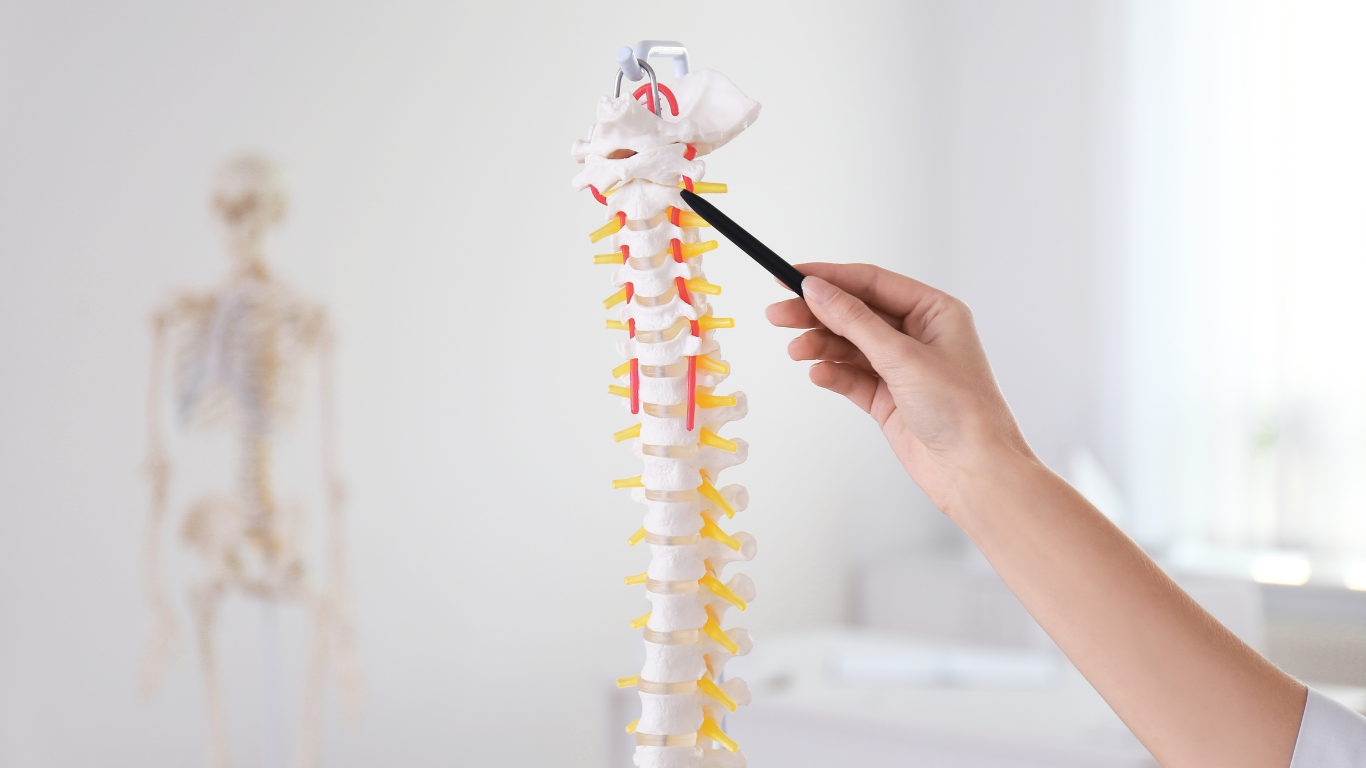
Expandable cage systems in spine surgery have transformed the way spinal fusion is performed by enabling surgeons to restore disc height, correct spinal alignment, and enhance long-term stability with far less tissue disruption than traditional implants.
Their compact entry profile and controlled expansion capability align perfectly with the principles of modern minimally invasive practices, allowing for improved outcomes and faster recovery.
For patients seeking advanced, evidence-based care, Dr. Gustavo Navarro incorporates expandable cage technologies as part of his commitment to delivering safer and more effective spine surgery solutions. Understanding how these devices work, when they are indicated, and what benefits they offer is essential for patients exploring surgical options for spinal degeneration, deformity, or instability.
This comprehensive guide explores the indications, design evolution, techniques, clinical outcomes, and future directions of expandable cage systems in spine surgery, providing an accessible yet in-depth resource aligned with Dr. Navarro’s patient-focused expertise.
Understanding Expandable Cage Systems in Spine Surgery
Expandable cage systems are interbody devices engineered to adapt to the patient’s anatomy during surgery. The ability to expand after insertion reduces tissue trauma, enhances implant fit, and improves fusion conditions.
What Are Expandable Interbody Cages?
Expandable cages enter the disc space in a collapsed form and expand once properly positioned. This allows surgeons to restore disc height, decompress nerve structures, and correct spinal curvature without excessive bone removal. Their adaptability is especially valuable in minimally invasive procedures where surgical corridors are narrow and precision is critical.
Key Design Features and Materials of Expandable Cages
Modern expandable cages rely on mechanical expansion systems such as screw-based lifts or articulating components. Titanium, PEEK, and hybrid 3D-printed materials are commonly used to enhance strength, imaging clarity, and bone integration. Porous titanium surfaces, in particular, promote superior osseointegration and stability.
Expandable vs. Static Cages in Spine Fusion
While static cages require insertion at full size, expandable cages minimize neural manipulation by entering in a smaller form. Once expanded, they achieve better endplate contact and more optimal alignment restoration. This provides notable advantages in minimally invasive fusion procedures, where space is limited.
Surgical Applications of Expandable Cage Systems
Expandable cages support a range of spinal fusion strategies by restoring disc height, improving foraminal space, and enhancing biomechanical stability.
Indications for Expandable Cages in Spine Surgery
These implants treat degenerative disc disease, spondylolisthesis, spinal stenosis, and chronic pain associated with disc collapse. Their adaptability makes them ideal for patients requiring alignment correction, height restoration, or minimally invasive surgical access.
Expandable Cages in PLIF and TLIF Procedures
In PLIF and TLIF surgeries, expandable cages reduce nerve retraction and facilitate insertion through narrow posterior corridors. Their expansion restores disc height and lumbar lordosis with precision, supporting improved postoperative outcomes and reduced recovery times.
Role of Expandable Cages in Spinal Deformity Correction
Expandable cages help treat deformities such as kyphosis, scoliosis, and sagittal imbalance by allowing controlled height and angle adjustments. This is crucial for long-term spinal alignment, balance, and stability, particularly in multi-level fusion cases.
Advantages and Outcomes of Expandable Cage Systems
The clinical value of expandable cages is reflected in improved alignment, enhanced biomechanical performance, and compatibility with minimally invasive techniques.
Clinical Benefits and Surgical Outcomes
Patients treated with expandable cages often experience reduced postoperative pain, shorter hospitalization, and quicker return to mobility. Controlled expansion enables precise restoration of disc height and spinal curvature, supporting superior surgical outcomes.
Biomechanical Considerations and Load Distribution
By increasing endplate contact and achieving better height restoration, expandable cages improve load distribution across the spine. This reduces the risk of subsidence and enhances fusion potential.
Adoption in Minimally Invasive Spine Surgery
The compact insertion profile of expandable cages is particularly advantageous in minimally invasive spine surgery, where minimizing muscle disruption and nerve retraction leads to faster recovery and reduced postoperative discomfort.
Vertical Expansion and Lordosis Restoration
Vertical expansion improves foraminal height and relieves nerve compression, while lordotic adjustment restores natural spinal curvature. These capabilities are essential for achieving optimal sagittal alignment in lumbar fusion procedures.
Current Trends and Future Directions
Expandable cage technologies continue to advance, integrating new materials, expansion systems, and biologically enhanced surfaces.
Innovations in Expandable Implant Design
New designs prioritize biomechanical stability, multidirectional expansion, improved endplate contact, and enhanced graft integration. These innovations support more predictable fusion outcomes and higher surgical precision.
Selection Criteria for Surgeons
Surgeons evaluate factors such as disc height, alignment needs, anatomy, and overall spinal balance when selecting an expandable cage. The choice of implant directly influences long-term outcomes and fusion success.
Challenges and Future Research
Current research focuses on long-term implant durability, cost-effectiveness, and optimization of expansion mechanisms. Emerging technologies may include smart implants with healing-monitoring sensors and advanced navigation-assisted placement.
Frequently Asked Questions
How do expandable cage systems in spine surgery improve recovery?
They reduce tissue disruption during insertion and restore alignment more precisely, resulting in less pain and faster rehabilitation.
Are expandable cages appropriate for all spinal fusion procedures?
They are commonly used in lumbar surgeries and selectively in cervical cases, depending on anatomical and alignment requirements.
Do expandable cages reduce the risk of nerve injury?
Yes. Their compact insertion minimizes nerve retraction, lowering the risk of neurological complications.
Which materials achieve the best fusion results in expandable cages?
Titanium and 3D-printed porous titanium surfaces promote exceptional bone integration, while PEEK offers improved imaging clarity.
Essential Insights with Dr. Gustavo Navarro
Expandable cage systems represent a major advancement in spine surgery by providing adaptable, minimally invasive solutions for restoring spinal stability and alignment. Their ability to expand within the disc space reduces surgical trauma while delivering precise corrections tailored to each patient’s anatomy.
At the forefront of these modern surgical techniques, Dr. Gustavo Navarro integrates expandable cage technologies to offer patients safer procedures, improved recovery, and long-term spinal health. As innovation continues, these implants will play an increasingly essential role in personalized and effective spine care.
Meta Title: Expandable Cage Systems in Spine Surgery: Indications, Benefits, Techniques, and Outcomes
Meta Description: Learn how expandable cage systems in spine surgery improve fusion outcomes, reduce tissue damage, and support minimally invasive techniques. Explore indications, benefits, innovations, and FAQs in this complete expert guide.
.webp)
