

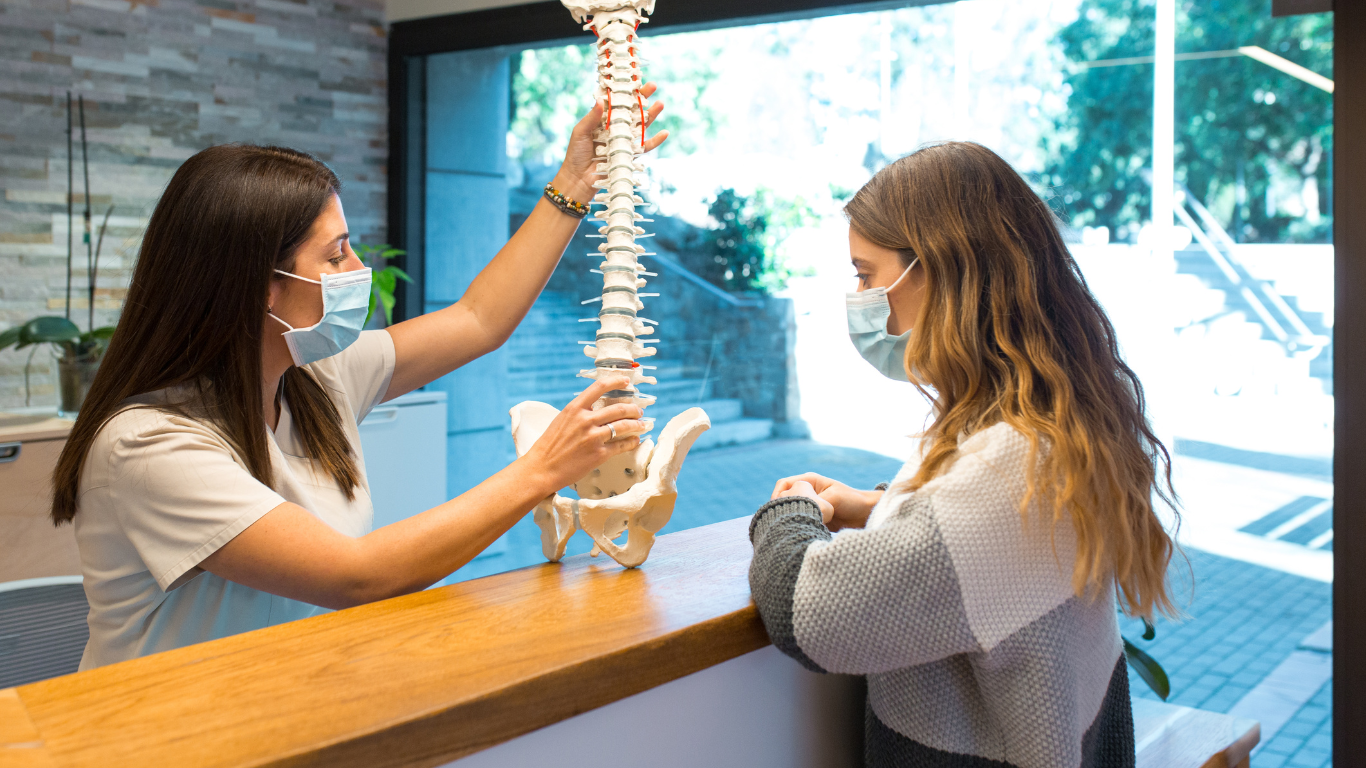
Recovering from spine surgery can be overwhelming, especially when deciding when it’s safe to return to work. Understanding the timeline for returning to work after spine surgery is essential for a safe and effective recovery.
Dr. Gustavo Navarro, a leading spine specialist, emphasizes that this timeline depends on the type of surgery, the physical demands of your job, and how your body heals. While some patients may resume work within a few weeks, others may require several months. Knowing what to expect helps set realistic goals and ensures returning to work does not compromise long-term spine health.
Key Factors Affecting the Return-to-Work Timeline
Several elements influence when patients can safely go back to work after spine surgery. These factors are critical to consider for avoiding complications and ensuring long-term spine health.
Type and Complexity of Spine Surgery
The type of spine surgery plays a central role in recovery time. Minimally invasive procedures typically result in quicker healing and allow some patients to return to work in as little as two to six weeks. These surgeries reduce tissue damage, limit pain, and promote faster mobility.
In contrast, open surgeries or complex procedures like spinal fusion require longer recovery periods.
Extensive tissue repair, limited mobility, and strict post-operative restrictions mean patients may need several months before safely resuming work. Surgeons often customize recovery plans, carefully monitoring progress with follow-ups and imaging to determine when patients can safely return to their jobs.
Physical Demands of Your Occupation
The physical nature of a job greatly influences recovery timelines. Sedentary work, such as office or computer-based jobs, generally allows an earlier return, often within two to six weeks. These roles reduce strain on the spine, facilitating a smoother transition back to professional duties.
Jobs with moderate activity, like teaching, retail, or light manufacturing, require longer recovery, usually four to eight weeks. Physical limitations, including restrictions on lifting or standing for long periods, are essential to respect during this period.
Heavy-duty or manual labor jobs, such as construction or warehouse work, demand the longest recovery. Patients may require three to six months or more to return to full duties safely. In some cases, permanent modifications or alternative roles may be necessary to prevent re-injury.
Personal Recovery and Healing Rates
Individual healing speed varies based on age, general health, and adherence to recovery protocols. Patients in good health who follow post-operative instructions often heal faster, while those with underlying health conditions may face extended timelines.
Signs of progress include reduced pain, improved mobility, better stamina, and increased energy levels. Maintaining a positive mindset, proper nutrition, and adequate sleep supports healing and accelerates readiness for work.
Role of Post-Operative Instructions
Strictly following post-operative instructions is crucial for safe return to work. Guidelines often include limits on lifting, bending, and sitting durations, depending on the procedure. Ignoring these restrictions can result in setbacks, prolonged pain, or re-injury.
Medical teams, like those at Dr. Gustavo Navarro’s clinic, provide phased activity plans, ensuring that patients gradually increase physical activity while protecting the surgical site. Regular follow-ups help monitor healing and guide safe work re-entry.
Stage-by-Stage: Timeline for Returning to Work
Understanding the phases of recovery helps patients anticipate when returning to work is appropriate. Each stage aligns with changes in pain levels, mobility, and overall function.
Immediate Post-Operative Recovery (First Week)
The first week focuses on rest, pain management, and careful movement. Patients typically experience significant discomfort and limited mobility. Activities such as lifting, bending, or twisting are prohibited, while light walking is encouraged to promote circulation.
Returning to work during this stage is rarely recommended unless the job is fully remote and requires minimal physical effort. Proper nutrition, sleep, and adherence to medication schedules are essential to prevent complications and support healing.
Early Recovery Phase (Weeks 2–6)
During the second to sixth week, pain generally begins to diminish, and mobility improves. Patients may begin gentle physical therapy if cleared by their surgeon.
Sedentary workers may start light or part-time work, often from home, while jobs requiring moderate or heavy physical activity remain off-limits. Effective pain control without reliance on strong medication is a key indicator that the patient is progressing safely.
Intermediate Recovery (Weeks 6–12)
Weeks six to twelve are marked by continued improvement in strength, flexibility, and stamina. Most patients can return to part-time or modified duties during this stage.
Work adjustments may include shorter shifts, avoidance of heavy lifting, and ergonomic modifications. Jobs involving moderate activity may resume gradually, depending on individual healing and surgeon clearance. Physical therapy continues to support mobility and prevent stiffness.
Long-Term Recovery and Return to Full Activity
Full recovery often takes three to six months or longer, particularly for physically demanding jobs or complex surgeries. Heavy lifting and strenuous movements are only resumed under medical supervision.
Patients must maintain prescribed exercises to strengthen the back, protect spinal integrity, and reduce the risk of future injury. Returning too early or exceeding activity limits can compromise recovery and lead to setbacks.
Timelines by Type of Procedure and Job
Recovery time after spine surgery varies depending on both surgical complexity and job demands.
Sedentary and Office Work
For office-based roles involving minimal physical strain, patients can return within two to six weeks following minimally invasive procedures. Spinal fusion patients may need more time before sitting for long periods comfortably. Working from home can offer flexibility and reduce physical stress during early recovery.
Jobs With Moderate Activity
Moderately active roles, including teaching, retail, or light manufacturing, typically require four to eight weeks of recovery. Restrictions on lifting and prolonged standing remain essential to prevent re-injury. Temporary job modifications often facilitate a safe transition.
Heavy Duty and Manual Labor Roles
Heavy labor roles demand the longest recovery, with spinal fusion patients often needing three to six months or more before returning to full duties. Avoiding heavy lifting, repetitive bending, and sudden movements is crucial to protect the spine. Some individuals may require permanent job adjustments to maintain long-term health.
Indicators You Are Ready to Return to Work
Returning to work safely requires evaluating pain, physical function, and medical approval. These indicators help ensure readiness:
Pain and Medication Management
Pain should be manageable with over-the-counter or minimal prescription medications. Flare-ups during basic movements signal that more healing time is necessary. Patients must feel comfortable performing daily activities without excessive discomfort.
Physical Functional Improvements
Patients should demonstrate improved mobility, stamina, and the ability to perform tasks specific to their job safely. Physical therapy progress often provides clear evidence of readiness. Gradually increasing sitting, standing, or light lifting tolerance indicates recovery milestones are being met.
Surgeon Clearance and Follow-Up Assessments
Surgeon approval remains the most critical factor. Clinical evaluations, imaging results, and functional assessments confirm readiness for work. Gradual re-entry or modified duties may be recommended based on job demands and recovery progress.
Frequently Asked Questions
How long is the recovery period following spinal surgery?
Recovery typically ranges from six to twelve weeks, depending on surgery type and overall health. Light activities may resume within weeks, while full recovery can take several months.
What are the typical milestones during the first few months after spinal fusion?
In the first two weeks, focus is on pain control and gentle walking. Between four and eight weeks, light activities and movement are gradually introduced. By three months, significant improvement in strength and flexibility is common, though complete bone fusion may take longer.
What permanent lifestyle changes may be required after spinal fusion?
Patients often avoid heavy lifting and repetitive bending. Low-impact exercise, posture awareness, and ergonomic adjustments are essential to maintain spinal health.
At what point post-operation can patients expect to resume work?
Office workers may return in two to six weeks after minimally invasive surgery. Moderately active jobs often require four to eight weeks, and heavy labor roles usually need three to six months or more for full-duty work.
How soon can patients resume travel or normal walking?
Short trips may be feasible within a few weeks, but longer travel should wait until six to eight weeks post-surgery. Walking often resumes within days, with normal gait typically returning within four to six weeks, depending on recovery.
Safe Return to Work After Spine Surgery
The timeline for returning to work after spine surgery depends on the type of procedure, job demands, and individual recovery. Following post-operative instructions, monitoring pain levels, and obtaining surgeon clearance are essential for safe re-entry to work.
Sedentary jobs allow for earlier return, while physically demanding roles require longer healing periods. With careful planning, adherence to recovery guidelines, and support from healthcare professionals like Dr. Gustavo Navarro, patients can transition back to work safely and protect long-term spine health.
.webp)
