

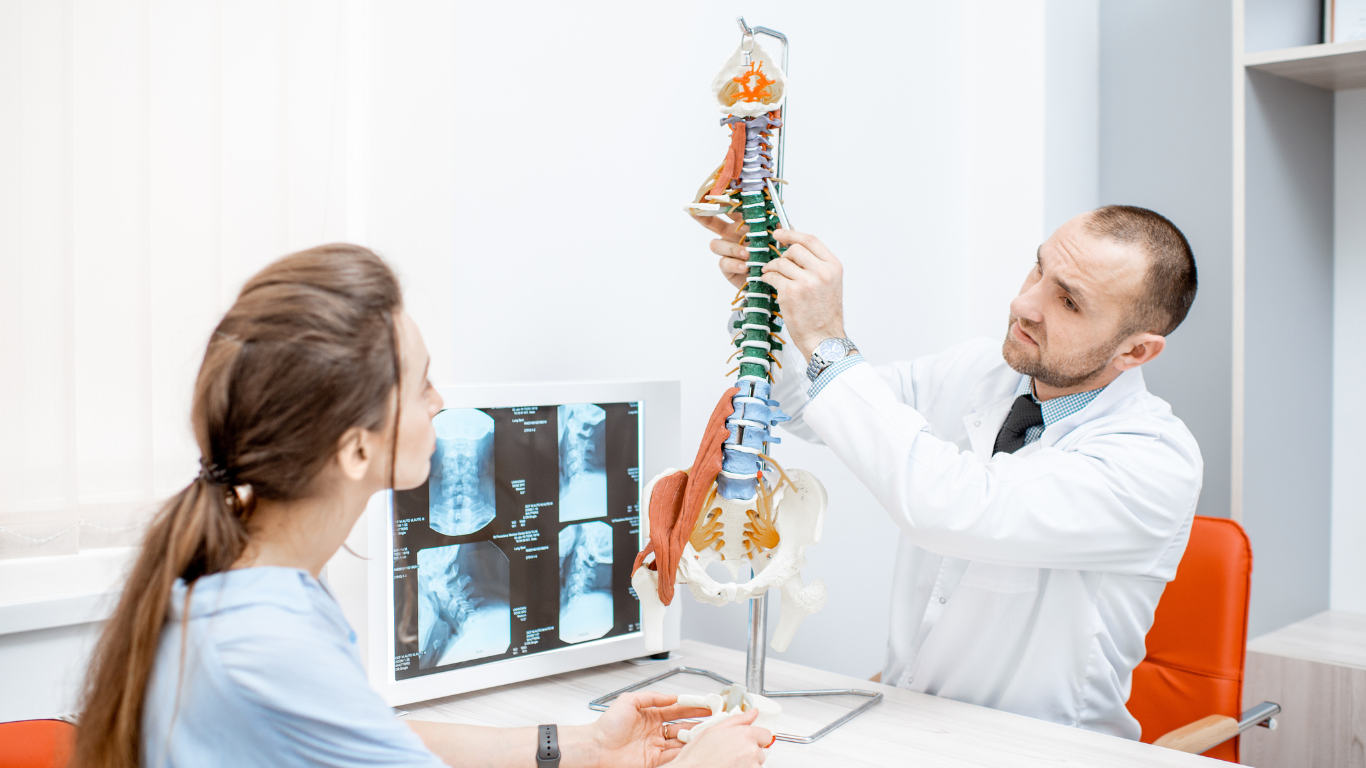
Preparing for spinal decompression surgery is a crucial step in ensuring a successful recovery and minimizing potential complications. By taking proactive measures before your procedure, you can support your body’s healing process and make your post-operative journey smoother.
Dr. Gustavo Navarro emphasizes that preparation is not only physical but also mental, helping patients feel confident and informed about the process.
Understanding what lies ahead, setting realistic expectations, and organizing your home environment can significantly reduce stress and improve recovery outcomes. This guide explores every aspect of preparation for spinal decompression surgery, from medical evaluations to post-operative care.
Understanding Spinal Decompression Surgery
Spinal decompression surgery is performed to relieve pressure on the spinal cord or nerves caused by conditions such as spinal stenosis, herniated discs, or degenerative disc disease. The goal is to create more space in the spinal canal, reducing nerve compression and alleviating symptoms like persistent back pain, numbness, weakness, or difficulty walking.
Patients typically undergo surgery only after non-surgical treatments like physical therapy, medication, or injections fail to provide relief. By understanding the purpose and methods of the procedure, patients can mentally prepare for the recovery ahead.
Common Conditions and Indications
Spinal decompression is recommended when narrowing of the spinal canal or disc-related nerve compression causes significant pain or mobility issues. Common conditions include spinal stenosis, herniated discs, and degenerative disc disease. Patients may experience chronic pain, leg weakness, or difficulty walking, and surgery aims to restore comfort and function.
Surgical Methods and Techniques
The main surgical methods include discectomy, where part or all of a herniated disc is removed, and laminectomy, which removes part of the vertebra to widen the spinal canal. Procedures can be performed via traditional open surgery or minimally invasive techniques using smaller incisions. Minimally invasive methods generally reduce blood loss, minimize tissue damage, and shorten hospital stays.
Potential Risks and Complications
Like any surgery, spinal decompression carries risks. Potential complications include infection, nerve damage, bleeding, blood clots, or reactions to anesthesia. Some patients may experience lingering pain due to underlying conditions such as arthritis. Discussing risks with your surgeon and understanding warning signs is essential to ensure prompt care if issues arise.
Key Steps to Prepare Before Surgery
Proper preparation involves medical evaluation, physical conditioning, lifestyle adjustments, and clear communication with your surgical team. These steps help optimize your physical condition, reduce complications, and support a faster recovery.
Pre-Surgical Medical Evaluation
Before surgery, patients undergo tests to ensure they are healthy enough for the procedure. These may include blood work, imaging studies such as MRI or CT scans, and electrocardiograms (EKG). The surgical team reviews all medical history, medications, and supplements to identify potential risks. Additional consultations may be required for heart or lung conditions to tailor care for each patient.
Physical Preparation and Prehabilitation
Physical conditioning before surgery can significantly affect recovery. Patients may perform exercises to strengthen core and back muscles, improving mobility and supporting the spine. Maintaining a healthy diet rich in protein, fruits, vegetables, and whole grains promotes tissue repair and overall health. Adequate sleep and stress management are also critical for optimal physical and mental readiness.
Lifestyle Changes and Medication Management
Quitting smoking weeks before surgery reduces infection risk and supports faster healing. Patients may also need to stop medications such as aspirin or ibuprofen that increase bleeding risk. Avoiding alcohol and following the surgeon’s guidance on medication management ensures a safer procedure.
Setting Expectations with Your Surgical Team
Effective communication with your surgical team helps establish realistic recovery goals. Patients should understand expected hospital stay duration, pain management options, and activity restrictions. Arranging support from family or friends for the first two weeks after surgery can ease daily responsibilities and aid recovery.
Ensuring a Safe Recovery Environment
Creating a recovery-friendly home environment is crucial for post-surgery safety and comfort. Planning ahead can minimize strain, reduce fall risk, and promote independence.
Preparing Your Home and Support System
Your home should be organized to minimize bending, reaching, or climbing stairs in the first weeks. Essential items like meals, medications, and personal care products should be easily accessible. Communicating recovery expectations to family and friends ensures they can assist with daily tasks, transportation, and household duties.
Assistive Devices and Home Adjustments
Using assistive devices such as raised toilet seats, grab bars, or walkers can make daily activities safer and more manageable. Removing clutter, improving lighting, and setting up a comfortable resting area support a smooth recovery. Planning meals in advance and keeping easy-to-prepare foods accessible reduces strain during the healing process.
What to Expect After Surgery and Post-Operative Care
Recovery after spinal decompression surgery involves careful monitoring, pain management, and structured rehabilitation. Following the surgeon’s instructions and attending follow-up appointments ensures safe healing.
Immediate Post-Surgical Recovery
After surgery, patients are monitored closely in the recovery room. Pain management may include non-narcotic or stronger medications as needed. Early movement, such as short walks, helps prevent blood clots and promotes circulation. Hospital stays vary from same-day discharge to one or two days depending on procedure complexity.
Physical Therapy and Rehabilitation
Physical therapy begins shortly after surgery, focusing on gentle exercises to improve flexibility, strength, and spine stability. Gradual progression helps patients regain mobility while protecting the surgical site. Therapy may continue for weeks or months depending on individual recovery.
Follow-Up Appointments and Monitoring
Regular follow-ups allow surgeons to monitor healing, assess pain levels, and adjust activity restrictions. Imaging studies such as X-rays may be performed to confirm spinal alignment and hardware placement. Keeping scheduled appointments is crucial to catch potential issues early and guide safe progression of activity.
Warning Signs and When to Call Your Doctor
Patients should seek immediate medical attention if they experience increasing pain, redness or swelling at the incision, pus or unusual drainage, fever, numbness, weakness in the legs, or loss of bladder or bowel control. Prompt action can prevent complications and support a safe recovery.
Frequently Asked Questions
What are the necessary steps to prepare for spinal decompression surgery?
Patients should maintain a healthy diet, quit smoking, adjust medications as advised, and complete all required medical tests. Consulting the surgeon about supplements and preoperative exercises is also important.
What is the typical recovery timeline for lower back surgery?
Recovery varies by procedure and patient health. Light activity may begin within days, while full recovery can take several weeks to months. Physical therapy often supports gradual return to normal function.
Are there specific exercises recommended before undergoing spinal surgery?
Light exercises such as walking or gentle stretching, approved by your doctor, improve circulation and overall fitness. Core-strengthening exercises may also aid post-surgery recovery.
What items are considered must-haves for a comfortable recovery after back surgery?
Raised toilet seats, back braces, accessible meals, and a well-prepared home environment reduce strain. Having reliable support from family or friends is also essential.
Prepare for Spinal Surgery Recovery
Proper preparation for spinal decompression surgery is essential for a successful outcome. Dr. Gustavo Navarro emphasizes that physical conditioning, lifestyle adjustments, and a supportive home environment can significantly enhance recovery.
Being informed, proactive, and organized helps patients feel confident and reduces post-operative complications. By following these guidelines, patients can approach surgery with peace of mind and a clear plan for healing.
.webp)
