

Chronic lower back pain can gradually change the way you live. Activities that once felt effortless, such as walking, standing for a few minutes, working, or enjoying time with family, may become painful reminders that something is wrong. When discomfort continues despite treatment, it is natural to wonder whether a surgical solution could help you regain control of your daily life.
For some people, the source of this pain lies in the small joints at the back of the lumbar spine, known as the facet joints. These joints help guide spinal movement and provide stability, but degeneration or damage can contribute to persistent discomfort and reduced mobility. When conservative treatments fail, exploring advanced surgical options may become part of the conversation.
Lumbar facet joint replacement candidacy requires careful evaluation because not every patient with facet joint degeneration is suitable for this procedure. Surgeons must determine whether the facet joints are truly responsible for the symptoms, whether the spine is stable, and whether replacement offers a meaningful advantage over other treatments.
If you are exploring your options, Dr Navarro can be a starting point for understanding your spinal condition and the factors that influence surgical planning. Learning how candidacy is assessed can help you prepare for a more informed discussion about your diagnosis, treatment alternatives, and long term goals.
What Is Lumbar Facet Joint Replacement?
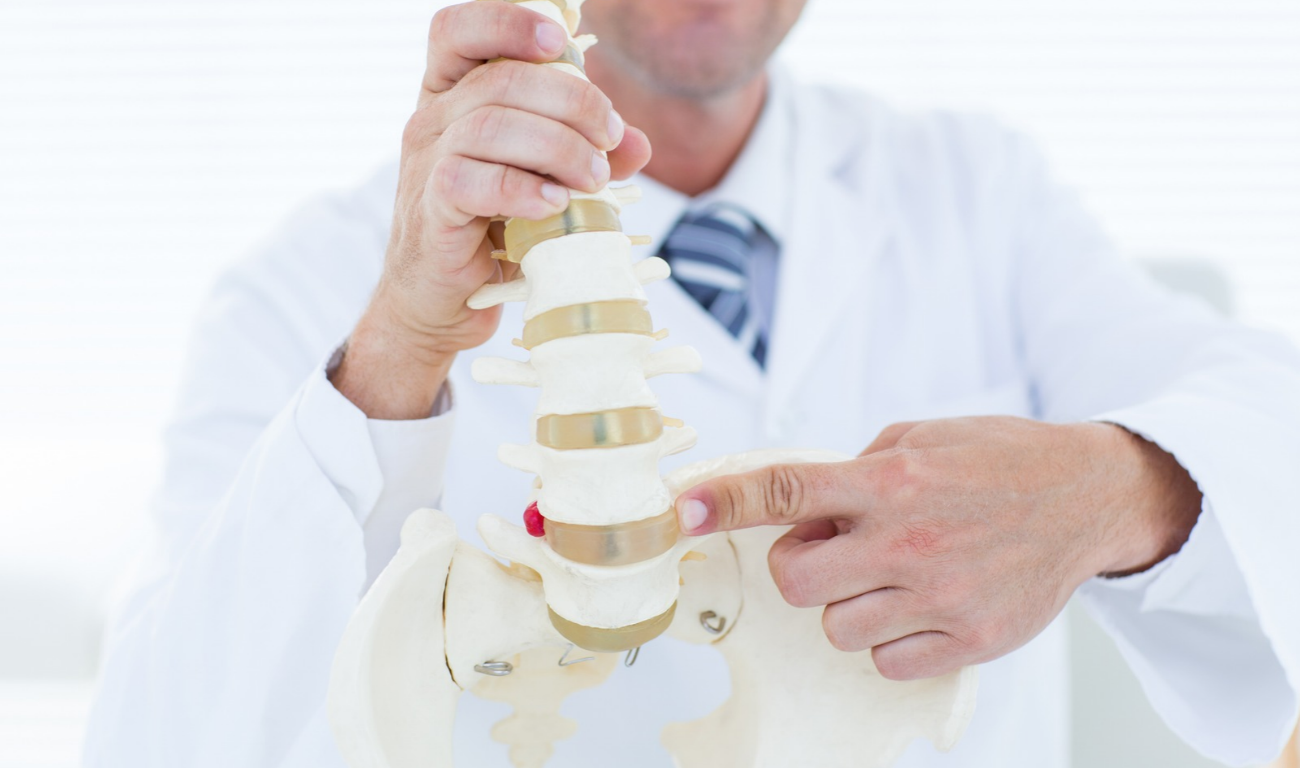
The lumbar spine consists of five vertebrae in the lower back. At the back of each vertebral level, paired facet joints connect neighboring vertebrae and help control bending, twisting, and other spinal movements.
Each facet joint is covered with cartilage and surrounded by a joint capsule. Like other joints in the body, facet joints can develop degenerative changes over time, including cartilage wear, inflammation, and bone enlargement.
How Facet Joint Degeneration Causes Back Pain
Facet joint degeneration, sometimes called facet arthropathy, may contribute to localized lower back pain and stiffness. Symptoms can become more noticeable during certain movements, prolonged standing, or activities that extend the lower back.
However, facet joint changes on an MRI do not automatically mean that the joints are the cause of a patient's pain. Similar findings can occur in people who have no symptoms, and lower back pain often has more than one contributing cause.
A surgeon must therefore evaluate the relationship between imaging findings, physical examination results, and the patient's symptoms before recommending treatment.
What Does Facet Joint Replacement Involve?
Lumbar facet joint replacement refers to an approach intended to replace or reconstruct a damaged facet joint while maintaining some movement at the treated spinal segment.
The concept differs from spinal fusion, which joins vertebrae together to limit movement between them. Motion preserving procedures aim to maintain movement while addressing a structural problem.
However, lumbar facet joint replacement is not a routine, widely established procedure for ordinary facet joint arthritis. Availability, regulatory status, clinical evidence, and eligibility depend on the specific device or technique being considered. Some facet replacement technologies remain investigational or are available only in particular clinical settings.
Patients should ask their surgeon which procedure is being discussed, whether it is approved or investigational in their country, and what evidence supports its use for their specific diagnosis.
Who May Be Considered for Lumbar Facet Joint Replacement?
Determining lumbar facet joint replacement candidacy involves several stages of assessment. Surgeons consider the source of pain, the condition of the facet joints, spinal alignment, nerve involvement, overall health, and response to previous treatment.
Because facet replacement is not a standard option for every patient with facet arthropathy, an evaluation should also establish whether the procedure is genuinely available and appropriate for the particular condition.
Persistent Symptoms That Affect Daily Life
A potential candidate may experience persistent lower back pain that interferes with walking, sleeping, working, or other everyday activities. Symptoms may continue despite an appropriate course of nonsurgical treatment.
The duration and pattern of pain matter, but neither pain severity nor duration alone establishes eligibility. The surgeon must determine whether the symptoms are consistent with facet joint disease and whether another spinal condition may be responsible.
Evidence That the Facet Joints Contribute to Pain
Clinical examination and imaging may suggest facet joint degeneration, but they cannot always establish that the joints are the primary source of symptoms.
In selected cases, a clinician may recommend diagnostic medial branch nerve blocks. These injections temporarily interrupt pain signals from nerves that supply the facet joints. If the patient's usual pain improves substantially for the expected period, the result may support a facet related source.
Diagnostic blocks have limitations and can produce false positive or inconclusive results. The interpretation depends on the technique used, the degree of pain relief, and the patient's overall clinical picture.
Importantly, evidence that facet joints are causing pain does not automatically establish eligibility for facet replacement. It is one part of the broader assessment.
How Imaging Findings Influence Surgical Candidacy
Imaging helps surgeons understand the structure of the lumbar spine and identify changes that may be contributing to symptoms. MRI, CT, and X rays provide different types of information, and the choice of study depends on the clinical question.
MRI Findings and Soft Tissue Evaluation
Magnetic resonance imaging provides detailed information about discs, nerves, ligaments, and other soft tissues. It can help identify disc degeneration, nerve compression, spinal canal narrowing, and other potential causes of lower back or leg symptoms.
MRI may also demonstrate facet joint enlargement, fluid within the joints, or degenerative changes around the affected spinal level.
However, MRI findings must be interpreted alongside symptoms and examination results. A patient with significant facet degeneration may have pain arising from a different structure, while another patient with less striking imaging changes may have substantial symptoms.
CT Scans and Facet Joint Anatomy
Computed tomography, or CT, provides detailed images of bone. It can help surgeons evaluate the shape of the facet joints, bone spurs, fractures, and other structural changes.
This information may be particularly useful when detailed bony anatomy is important for planning a procedure or assessing whether a proposed implant can be placed safely.
X Rays and Dynamic Stability Assessment
Standing spinal X rays can help evaluate alignment and the relationship between vertebrae. In selected patients, flexion and extension X rays may be used to assess abnormal movement between spinal segments.
These studies can help identify conditions such as spondylolisthesis, in which one vertebra slips relative to another.
Spinal stability is a central consideration when evaluating any motion preserving spinal procedure. If the affected segment is already unstable, preserving movement may not address the underlying mechanical problem and could be inappropriate depending on the specific procedure.
Why Spinal Stability Matters for Facet Joint Replacement
Facet joints contribute to spinal stability by guiding movement and helping resist excessive rotation and forward displacement. Their condition must be considered alongside the intervertebral discs, ligaments, vertebral bodies, and surrounding muscles.
A procedure that changes or replaces a facet joint must account for how these structures work together.
Patients With Stable Spinal Segments
A stable spinal segment maintains an appropriate relationship between neighboring vertebrae during normal movement. When symptoms are linked to a specific structure and the spine remains stable, the surgeon can assess whether a targeted intervention is reasonable.
Nevertheless, stability alone does not make someone a suitable candidate for facet replacement. The procedure must also be appropriate for the underlying diagnosis and supported by the available clinical evidence.
Patients With Spondylolisthesis or Spinal Deformity
Spondylolisthesis, significant spinal deformity, or abnormal movement between vertebrae may change the treatment plan. Depending on the severity and cause, a surgeon may consider decompression, stabilization, fusion, or another approach instead of a facet replacement procedure.
The decision depends on the degree of instability, symptoms, nerve compression, and the goals of treatment.
Disc Health and Other Degenerative Changes
Facet joints do not function independently of the discs between vertebrae. Disc height loss, disc degeneration, and other structural changes may affect how forces move through the spine.
If several structures contribute to pain or instability, treating the facet joints alone may not provide the desired benefit. A comprehensive evaluation helps determine whether a proposed procedure addresses the main source of the problem.
What Previous Treatments Must Be Tried Before Surgery?
For many patients with degenerative facet joint pain, nonsurgical treatment is the first step. The appropriate duration and combination of treatments depend on symptom severity, the diagnosis, and whether neurological problems are present.
Physical Therapy and Activity Modification
Physical therapy may help improve core strength, mobility, posture, and movement patterns. A personalized program can also help patients gradually return to activities that have become difficult because of pain.
Activity modification may reduce aggravating movements while helping patients remain active within their abilities. Prolonged inactivity is generally not an ideal long term strategy for chronic lower back pain.
Medication and Other Nonsurgical Treatments
Depending on a patient's health and medical history, clinicians may consider medication to manage pain or inflammation. The benefits and risks should be reviewed carefully, particularly in people with kidney disease, cardiovascular conditions, or other medical concerns.
Some patients may benefit from selected injections or other pain management procedures. These treatments may reduce symptoms, although the duration of relief varies.
Diagnostic Injections and Previous Procedures
Medial branch blocks can help investigate whether facet joints are contributing to pain. When the findings support facet mediated pain, radiofrequency ablation may be an option for selected patients.
Radiofrequency ablation uses heat to interrupt pain signals carried by targeted nerves. It does not replace the facet joint or reverse arthritis, and the nerves may eventually recover, allowing pain to return.
The response to these treatments helps the care team understand what has been tried and whether another intervention is justified. However, failure of conservative treatment does not automatically mean that facet joint replacement is the next appropriate step.
When Might Another Surgical Option Be More Appropriate?
A candidacy assessment should compare the proposed procedure with established alternatives. The goal is to select an approach that addresses the underlying problem while offering a reasonable balance of potential benefit and risk.
Spinal Fusion
Spinal fusion joins vertebrae to limit movement at a particular spinal segment. It may be considered when instability, certain forms of spondylolisthesis, deformity, or other structural problems require stabilization.
Fusion differs from a motion preserving procedure because it intentionally reduces movement at the treated level. Whether this is appropriate depends on the patient's anatomy, symptoms, and overall treatment goals.
Decompression Surgery
When symptoms are caused by nerve compression from spinal stenosis or bone spurs, decompression may be considered. The surgeon removes or reshapes tissue that presses on the affected nerves.
The appropriate procedure depends on whether the compression affects the central spinal canal, the lateral recess, or the neural foramen where a nerve exits the spine.
Facet joint degeneration may coexist with these conditions, so treatment must address the structures responsible for the symptoms rather than focusing on one imaging finding alone.
Continued Nonsurgical Management
Some patients do not need surgery, even when imaging shows facet joint arthritis. If symptoms are manageable, neurological function is preserved, and the expected benefit of surgery is uncertain, continuing nonsurgical treatment may be reasonable.
The decision should account for how pain affects daily life, the patient's preferences, and the likely risks and benefits of each available option.
How Overall Health Influences Lumbar Facet Joint Replacement Candidacy
Even when a spinal condition appears suitable for intervention, overall health influences surgical risk and recovery.
Bone Quality and General Medical Conditions
Bone quality may be important when a procedure involves an implant or requires the surrounding bone to support a device. Osteoporosis, previous fractures, and other bone disorders may affect surgical planning.
Diabetes, cardiovascular disease, kidney disease, smoking, and other health factors can also influence healing and complication risk. The care team may recommend additional assessment or optimization before proceeding.
Age, Activity Level, and Recovery Goals
Chronological age alone does not determine whether surgery is appropriate. Functional independence, physical resilience, and the ability to participate in rehabilitation may be more informative than age by itself.
A surgeon should also understand what the patient hopes to achieve. One person may prioritize returning to work, while another may want to walk comfortably, sleep better, or remain independent at home.
These goals help frame a realistic discussion of the potential benefits and limitations of treatment.
What Are the Potential Benefits and Risks?
The intended benefit of a facet replacement procedure is to address a specific structural problem while preserving movement where appropriate. Whether that benefit can be achieved depends on the exact device, procedure, diagnosis, and patient's anatomy.
Because lumbar facet replacement is not a routine established treatment for general facet joint degeneration, patients should be particularly careful to distinguish established evidence from proposed or investigational benefits.
Potential risks of spinal surgery may include infection, bleeding, blood clots, nerve injury, persistent pain, and complications related to anesthesia. Implant based procedures may also involve device loosening, malposition, wear, or failure, depending on the design and procedure.
Patients should ask about the available clinical evidence, the expected durability of the treatment, alternatives, and what would happen if the procedure did not provide sufficient relief.
Frequently Asked Questions About Lumbar Facet Joint Replacement Candidacy
Who is a good candidate for lumbar facet joint replacement?
Candidacy depends on the exact procedure being considered, the cause of symptoms, facet joint anatomy, spinal stability, overall health, and previous treatments. Because facet replacement is not a routine option for general facet arthritis, a specialist must confirm whether the procedure is available and supported for the patient's specific diagnosis.
Does facet joint arthritis on an MRI mean I need replacement surgery?
No. Facet joint degeneration is common, and imaging changes do not always cause pain. A surgeon evaluates symptoms, physical examination findings, and imaging together. Many patients can manage their symptoms with nonsurgical treatment or other established interventions.
Is lumbar facet joint replacement better than spinal fusion?
Neither option is universally better. Facet replacement aims to preserve movement, while fusion stabilizes a spinal segment by limiting movement. The appropriate approach depends on the diagnosis, spinal stability, available evidence, and the specific procedure being considered.
What tests are needed to determine surgical candidacy?
Assessment may include a medical history, physical and neurological examination, MRI, CT, and standing X rays. Flexion and extension X rays may be used when instability is suspected. In selected cases, diagnostic medial branch blocks can help determine whether facet joints contribute to pain.
Can I qualify for facet joint replacement if physical therapy has failed?
Failure of physical therapy may justify further evaluation, but it does not automatically establish candidacy. The surgeon must determine whether the facet joints are the primary source of symptoms and whether the proposed procedure is appropriate for the underlying condition.
Is lumbar facet joint replacement widely available?
Availability depends on the specific device, country, regulatory status, and clinical setting. Some facet replacement technologies remain investigational or have limited availability. Ask the surgeon whether the proposed procedure is approved for your indication and what high quality clinical evidence supports its use.
How long does recovery take after lumbar facet joint replacement?
Recovery depends on the exact operation, the patient's health, and the rehabilitation plan. Because facet replacement approaches and evidence vary, there is no single recovery timeline that applies to every patient. Your surgeon should explain the expected hospital stay, activity restrictions, rehabilitation requirements, and follow up schedule for the specific procedure.
Get Advanced Treatment and Evaluation With Dr Navarro
Persistent lower back pain can leave you feeling frustrated, especially when treatments have not delivered the relief you hoped for. Understanding why the pain occurs and which options are genuinely appropriate can help you move forward with greater confidence.
Lumbar facet joint replacement candidacy depends on much more than the presence of arthritis. Symptoms, imaging findings, spinal stability, previous treatments, overall health, and the evidence supporting the specific procedure all matter when determining whether it may be appropriate.
If you are considering advanced treatment for facet joint degeneration, contact Dr Navarro to discuss your symptoms and ask about the evaluation needed to identify the source of your pain. Bring your imaging studies and previous treatment records so your options can be reviewed in context.
Take an informed next step toward understanding your spine condition. With a careful evaluation and an honest discussion of benefits, risks, and alternatives, you can work toward a treatment plan that reflects your health, your needs, and your long term goals.

