

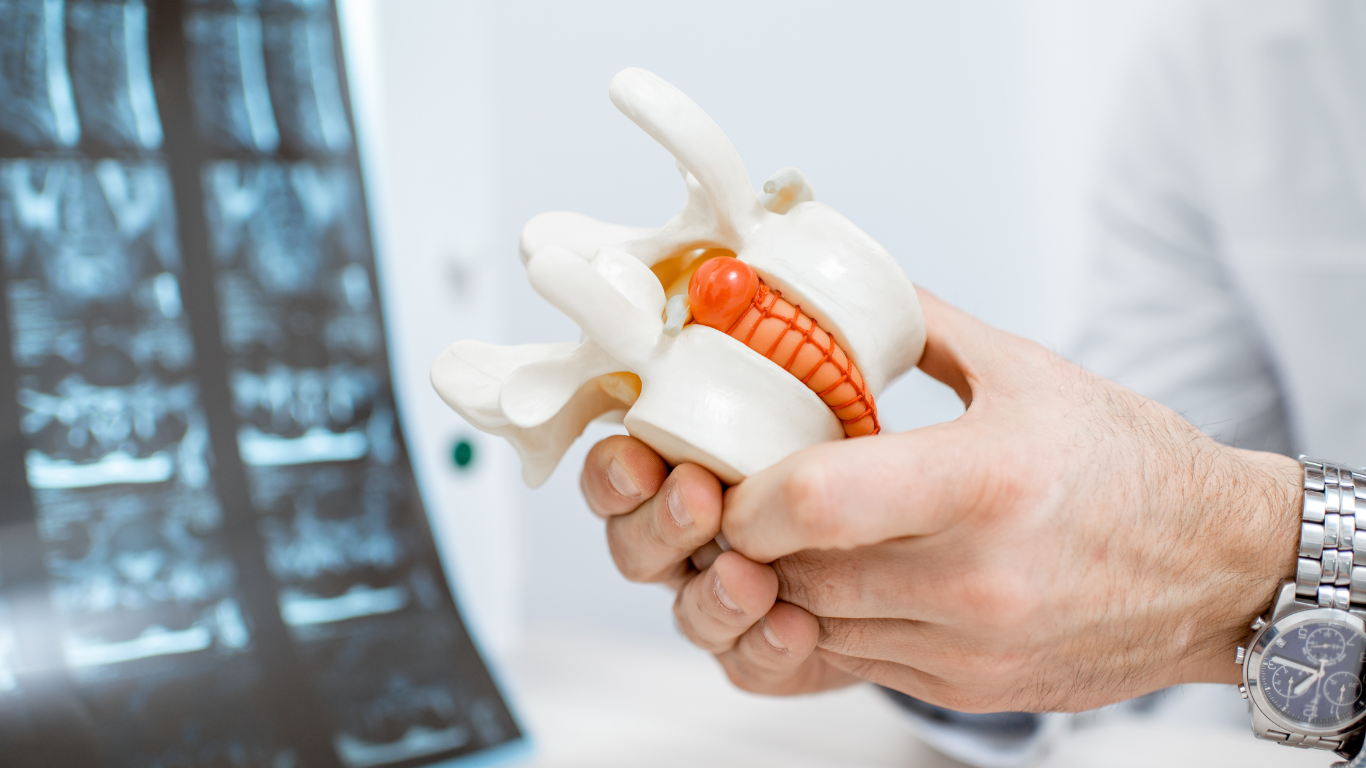
Cervical disc replacement has become an increasingly common procedure for patients experiencing chronic neck pain, nerve compression, or limited motion caused by degenerative disc disease.
While this surgery often restores mobility and reduces long-term discomfort, understanding pain levels after cervical disc replacement is crucial for a smooth recovery. Patients need realistic expectations about the healing process, typical pain patterns, and strategies to manage discomfort effectively.
Dr. Gustavo Navarro emphasizes that knowing what is normal post-surgery not only helps patients prepare mentally but also ensures they can recognize warning signs that require medical attention.
Pain after cervical disc replacement is generally manageable and gradually improves as the body heals, but each individual’s experience varies depending on their health, the complexity of the surgery, and adherence to recovery guidelines.
Immediate Postoperative Pain: What to Expect
Right after cervical disc replacement surgery, most patients experience mild to moderate pain around the neck and incision site. This discomfort is a natural response to surgical intervention involving muscles, nerves, and soft tissues. Unlike chronic pain caused by degenerative discs, postoperative pain tends to be sharper but should gradually decrease each day.
Patients may notice soreness at the back of the neck, tenderness around the incision, or stiffness when attempting movement. Pain medications, short-term use of a neck brace, and ice packs are typically prescribed to manage this early discomfort. Severe or rapidly worsening pain is uncommon but should be reported immediately to a healthcare provider.
Early Recovery Pain Patterns
During the first few weeks after surgery, pain may fluctuate, with occasional stiffness or mild tenderness. As the artificial cervical disc settles into position and tissues begin healing, patients may experience mild nerve-related sensations, such as tingling in the arms or subtle discomfort. These symptoms usually diminish with time.
Gentle neck movements and physical therapy are essential at this stage. They help restore mobility while reducing stiffness and preventing complications. Patients are advised to avoid heavy lifting, sudden neck twists, or strenuous activity, which can exacerbate discomfort.
Long-Term Pain Outcomes
Most patients see significant improvement in neck and arm pain within several months after cervical disc replacement. The artificial disc restores motion to the cervical spine and relieves pressure on compressed nerves. While minor residual stiffness or tenderness may persist, chronic pain is generally reduced or eliminated.
Persistent pain beyond three to six months should prompt evaluation by a specialist to rule out complications such as implant misalignment, nerve irritation, or other structural issues. Regular follow-ups with Dr. Gustavo Navarro ensures the artificial disc functions properly and helps maintain long-term spine health.
Pain Management Approaches
Managing pain effectively after cervical disc replacement involves a combination of medications, home care strategies, physical therapy, and lifestyle adjustments. A tailored approach ensures comfort and supports a safe recovery.
Medications and Prescribed Treatments
Doctors often prescribe a combination of acetaminophen, NSAIDs, or short-term opioids for more severe discomfort. Muscle relaxants may also be used to reduce spasms. An enhanced multimodal analgesic protocol targets pain from multiple angles, helping patients reduce reliance on opioids while maintaining effective relief. Following dosage schedules and instructions is critical for safety and optimal pain control.
At-Home Self-Care Strategies
Patients can support healing at home by maintaining good posture, practicing gentle neck movements, and avoiding activities that strain the cervical spine. Light walking promotes circulation, while rest helps reduce inflammation. Keeping a pain diary can track symptoms and provide valuable information for follow-up appointments.
Heat and Ice Therapy
Ice therapy is particularly useful in the first few days after surgery to reduce swelling and numb pain. Applying an ice pack for 15 minutes every hour can significantly decrease inflammation. Once swelling subsides, heat therapy may help relax muscles and improve blood flow, easing soreness. Alternating ice and heat as needed can provide balanced relief.
Physical Therapy
Physical therapy is essential for long-term pain relief and functional recovery. Early exercises focus on gentle stretches to maintain mobility, while later routines target muscle strength and posture. Properly guided therapy reduces stiffness, prevents chronic pain, and helps the cervical spine regain natural motion safely.
Recovery Process and Stages of Healing
Cervical disc replacement recovery follows structured phases, each designed to balance healing and mobility while minimizing pain.
First Two Weeks: Rest and Light Activity
Immediately post-surgery, patients may stay in the hospital briefly before returning home. Pain medications control discomfort, and early movement like short walks is encouraged. A neck brace may be used for protection, and heavy lifting or driving is avoided.
Weeks 2 to 6: Gentle Exercises
During this period, physical therapy begins. Patients resume light daily activities and desk work but continue avoiding strenuous tasks. Pain may fluctuate slightly as tissues heal and muscles regain strength.
Weeks 6 to 12: Increasing Activity
Activity levels gradually increase, including low-impact exercises. Neck strength and endurance improve, and patients can resume more normal daily routines, with attention to posture and safe movement patterns.
After Three Months: Return to Normal Activities
By this stage, the artificial disc is typically well integrated, and most patients return to regular activities with reduced pain and improved flexibility. Continued adherence to exercises and proper ergonomics supports lasting benefits.
Recognizing Complications
While most patients experience smooth recovery, recognizing warning signs is critical.
Signs of Infection
Redness, swelling, warmth at the incision site, fever, or worsening pain require immediate medical attention. Early detection prevents severe complications.
Persistent or Worsening Pain
Pain that increases instead of decreases or radiates to the arms may indicate nerve irritation or implant issues. Patients should report these symptoms promptly.
Numbness, Weakness, or Other Neurological Issues
Tingling, loss of strength, or difficulty moving the neck can signal nerve problems. Immediate consultation with a spine surgeon is essential to prevent long-term damage.
Returning to Daily Life
Gradual reintroduction of daily activities ensures safe recovery. Light household tasks begin first, followed by desk work and low-impact exercises. Heavy lifting and high-impact sports are avoided until cleared by a surgeon. Listening to the body and avoiding pain triggers help maintain progress and reduce the risk of setbacks.
Frequently Asked Questions
How long does it take to recover from cervical disc replacement?
Most patients gradually return to normal activities within 6 to 8 weeks. Full recovery, including return to high-impact activities, may take 3 to 6 months depending on individual healing.
Can pain after surgery indicate failure of the disc replacement?
Persistent or worsening neck and arm pain, new numbness, or weakness may indicate complications such as implant misalignment or nerve irritation. Immediate evaluation is advised.
How is chronic neck pain managed after surgery?
Pain management involves prescribed medications, ice therapy, and physical therapy. Gentle exercises help strengthen the cervical spine and reduce discomfort over time.
Recovery Insights and Pain Relief
Understanding pain levels after cervical disc replacement helps patients navigate recovery confidently and safely. While mild to moderate pain is normal initially, effective pain management, guided physical therapy, and adherence to activity restrictions contribute to a successful outcome.
Under the expert care of Dr. Gustavo Navarro, most patients experience significant relief, improved neck mobility, and a return to daily life with enhanced comfort and function.
.webp)
