

Servicio
Reemplazo facetario lumbar (Artroplastia facetaria)
El Dr. Navarro se encuentra entre los pocos especialistas a nivel nacional capacitados en el reemplazo facetario lumbar con prótesis avanzadas. Este procedimiento de vanguardia está diseñado para pacientes con degeneración de las articulaciones facetarias o discos dañados. Al reemplazar las articulaciones afectadas, evita la necesidad de una fusión espinal tradicional, aliviando el dolor mecánico y restaurando la estabilidad de la columna. Este enfoque de alta precisión preserva el movimiento natural y mantiene la biomecánica de la columna bajo estándares quirúrgicos modernos.
.svg)
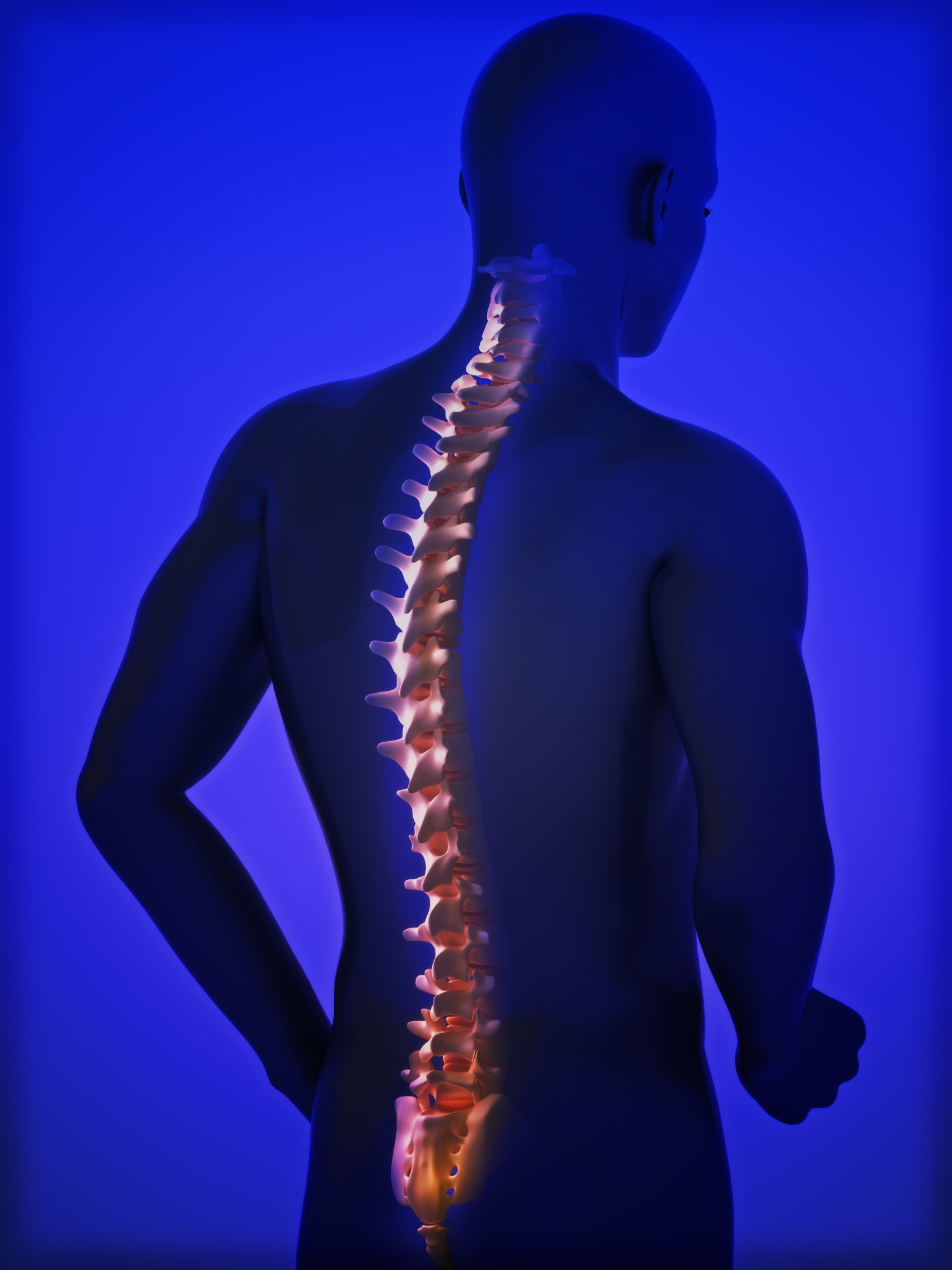
Understanding Lumbar Facet Replacement and Its Benefits
Lumbar Facet Replacement
Lumbar facet replacement is an advanced spine procedure designed to relieve chronic lower back pain while preserving the natural movement of the spine. It is typically recommended for patients with painful facet joint degeneration who have not responded to conservative treatments. In Mexico, lumbar facet replacement is performed by experienced spine specialists using modern surgical techniques, offering high-quality care at a more affordable cost for both local and international patients.
Understanding Lumbar Facet Replacement and Its Benefits
Lumbar facet replacement involves replacing damaged facet joints in the lower spine with specialized artificial implants. The procedure is intended to restore stability, maintain spinal motion, and reduce pain caused by degenerative changes.
This treatment is commonly recommended for conditions such as:
- Facet Joint Arthritis: Degeneration of the facet joints caused by aging or wear and tear, resulting in chronic lower back pain and stiffness.
- Lumbar Degenerative Disease: Progressive deterioration of the spinal joints that affects stability and mobility.
- Post-Decompression Instability: Patients who require removal of damaged facet joints during spinal decompression surgery and need motion-preserving reconstruction.
Common symptoms include persistent lower back pain, stiffness, reduced range of motion, pain that worsens with standing or twisting, and discomfort that may radiate into the buttocks or thighs. Diagnosis typically includes a physical examination, diagnostic facet joint injections, and imaging studies such as X-rays, CT scans, or MRI scans to evaluate the extent of joint degeneration.
When is Lumbar Facet Replacement Needed?
Lumbar facet replacement may be recommended when:
- Chronic lower back pain significantly limits daily activities and quality of life.
- Conservative treatments, including physical therapy, medications, injections, and lifestyle modifications, have failed to provide lasting relief.
- Diagnostic testing confirms that the facet joints are the primary source of pain.
- The patient is a suitable candidate for a motion-preserving alternative to spinal fusion.
- There is facet joint damage requiring reconstruction following decompression surgery.
By preserving spinal motion while restoring stability, lumbar facet replacement can help reduce pain, improve mobility, and support a faster return to everyday activities for appropriately selected patients.
Candidates for Lumbar Facet Replacement and Recovery
When Lumbar Facet Replacement Is Recommended
Lumbar facet replacement is typically considered after conservative treatment options have failed to provide adequate pain relief or functional improvement. It is intended for patients whose symptoms are clearly associated with degeneration of the lumbar facet joints rather than other spinal conditions.
This procedure may be recommended when:
- Chronic lower back pain significantly limits daily activities and quality of life.
- Physical therapy, medications, lifestyle modifications, and facet joint injections have not produced lasting improvement.
- Diagnostic imaging and clinical evaluation identify the facet joints as the primary source of pain.
- Facet joints must be removed during decompression surgery, requiring restoration of spinal stability.
- Preserving spinal motion is a desirable alternative to spinal fusion based on the patient's condition and anatomy.
Because every patient's spine is unique, treatment recommendations are based on a thorough assessment of symptoms, spinal alignment, overall health, and surgical goals.
Surgical Approaches
The surgical approach for lumbar facet replacement varies depending on the patient's anatomy, the affected spinal level, and whether additional procedures are required. Dr. Navarro carefully plans each operation to maximize spinal stability while preserving natural motion whenever possible.
Common surgical approaches include:
- Standalone Lumbar Facet Replacement: Performed when facet joint degeneration is the primary source of pain and replacement alone is sufficient to restore function.
- Facet Replacement with Lumbar Decompression: Combined with decompression surgery to relieve pressure on spinal nerves while reconstructing the removed facet joints.
- Single-Level Reconstruction: Used when degeneration is limited to one lumbar level.
- Multi-Level Reconstruction: Considered in carefully selected patients with degeneration affecting more than one spinal level.
The most appropriate surgical approach depends on several factors, including the extent of facet joint damage, spinal stability, nerve compression, and the patient's overall health and treatment objectives. During your consultation, Dr. Navarro will explain the recommended approach and how it aligns with your individual condition.
Recovery and Rehabilitation
Immediate Postoperative Care
Following surgery, patients are closely monitored in the recovery area before being transferred to a hospital room. Most patients remain in the hospital for one to three days, depending on the complexity of the procedure and their overall recovery. Pain management, early mobilization, and postoperative evaluations help ensure a safe recovery.
Long-term Recovery
A personalized rehabilitation program, including physical therapy, plays an important role in restoring strength, flexibility, and mobility. Patients are advised to avoid heavy lifting and strenuous activities during the initial healing period, gradually returning to normal daily activities over the following weeks and months. Regular follow-up appointments allow the surgical team to monitor healing, assess implant function, and support the best possible long-term outcome.
Outcomes, Risks, and Choosing the Right Surgeon
Risks and Complications
As with any surgical procedure, lumbar facet replacement carries potential risks, including:
- Infection
- Bleeding
- Nerve injury
- Implant loosening or wear over time
- Persistent or recurrent back pain
- Implant misalignment or mechanical failure
- Blood clots or complications related to anesthesia
Our surgical team takes every precaution to minimize these risks through careful patient selection, advanced surgical techniques, meticulous infection prevention protocols, and comprehensive postoperative care.
Success Rates and Outcomes
Lumbar facet replacement has demonstrated promising outcomes in appropriately selected patients, particularly those seeking pain relief while preserving spinal motion. Many patients experience significant reductions in lower back pain, improved mobility, and enhanced quality of life following recovery.
By preserving motion at the treated spinal level, lumbar facet replacement may help reduce biomechanical stress on adjacent spinal segments compared with fusion in appropriately selected patients. Long-term success depends on factors such as the patient's overall health, the severity of spinal degeneration, and adherence to rehabilitation recommendations.
Dr. Navarro specializes in advanced motion-preserving spine procedures, providing individualized treatment plans tailored to each patient's condition and goals. His expertise, combined with modern surgical techniques, helps patients achieve the best possible outcomes while prioritizing safety and long-term spinal function.
Conclusion
Lumbar facet replacement offers an innovative solution for patients with chronic lower back pain caused by facet joint degeneration. By relieving pain while preserving the spine's natural motion, this procedure can help restore mobility and improve overall quality of life.
If you or a loved one is considering lumbar facet replacement, consult with Dr. Navarro to determine whether this advanced treatment is right for you. Contact us today to learn more or schedule a consultation and take the first step toward lasting back pain relief and a more active lifestyle.
Frequently Asked Questions (FAQs)
How do I know if I need a lumbar facet replacement?
Lumbar facet replacement may be recommended if you have chronic lower back pain caused by damaged or arthritic facet joints that has not improved with conservative treatments such as physical therapy, medications, or injections. Dr. Navarro will perform a comprehensive evaluation, including imaging studies and diagnostic tests, to determine whether you are a candidate for this motion-preserving procedure.
What conditions can be treated with lumbar facet replacement?
Lumbar facet replacement is primarily used to treat facet joint arthritis, lumbar facet degeneration, and spinal instability resulting from damaged facet joints. It may also be recommended for selected patients who require facet joint reconstruction following spinal decompression surgery. Your treatment plan will depend on your diagnosis, symptoms, and overall spinal health.
How is lumbar facet replacement different from spinal fusion?
Unlike spinal fusion, which permanently joins two or more vertebrae together, lumbar facet replacement is designed to preserve movement at the treated spinal level. By replacing the damaged facet joints with specialized implants, the procedure aims to relieve pain while maintaining more natural spinal motion for eligible patients.
How long does it take to recover from lumbar facet replacement?
Recovery varies depending on the individual and the complexity of the procedure. Many patients begin walking shortly after surgery and return to light daily activities within several weeks. Full recovery, including rehabilitation and strengthening, typically takes several months. Following Dr. Navarro's postoperative instructions and physical therapy program is essential for optimal results.
Is lumbar facet replacement safe?
Lumbar facet replacement is considered a safe procedure when performed by an experienced spine surgeon and in appropriately selected patients. As with any surgery, there are potential risks, including infection, bleeding, nerve injury, or implant-related complications. Careful surgical planning and modern techniques help minimize these risks.
Will I need physical therapy after lumbar facet replacement?
Yes. Physical therapy is an important part of recovery after lumbar facet replacement. A personalized rehabilitation program helps improve flexibility, strengthen the muscles supporting the spine, restore mobility, and promote long-term success.
How long do lumbar facet replacement results last?
The longevity of results depends on factors such as the condition being treated, implant performance, overall health, and lifestyle habits. Many patients experience lasting pain relief and improved spinal function, especially when they maintain a healthy weight, stay physically active, and follow their rehabilitation program.
What are the benefits of lumbar facet replacement?
Lumbar facet replacement offers several potential benefits, including pain relief, preservation of spinal motion, improved stability, enhanced mobility, and a reduced need for spinal fusion in appropriately selected patients. Maintaining natural movement may also help decrease stress on adjacent spinal segments.
Will lumbar facet replacement completely eliminate my back pain?
While many patients experience significant pain relief and improved function, no surgical procedure can guarantee complete elimination of pain. Outcomes depend on the severity of your condition, overall spinal health, and adherence to your rehabilitation plan. Dr. Navarro will discuss realistic expectations based on your individual case.
How can I prepare for lumbar facet replacement surgery?
Before surgery, Dr. Navarro may recommend imaging studies, laboratory tests, and adjustments to certain medications. Maintaining a healthy lifestyle, stopping smoking if applicable, and preparing your home for recovery can help support a smoother postoperative experience. Your surgical team will provide detailed instructions to ensure you are fully prepared for the procedure.
.svg)

Conoce a Nuestro Equipo: ellos te ayudarán a recuperar la movilidad y a vivir sin dolor


Únase a cientos de pacientes felices de Canadá
Escuche a algunos de nuestros pacientes canadienses que viajaron para ver al Dr. Navarro y por qué pagar una cuarta parte del precio no significa que esté recibiendo un tratamiento de menor calidad.
Cirugía transformadora de columna con el Dr. Navarro: Experiencia en la que puede confiar
