

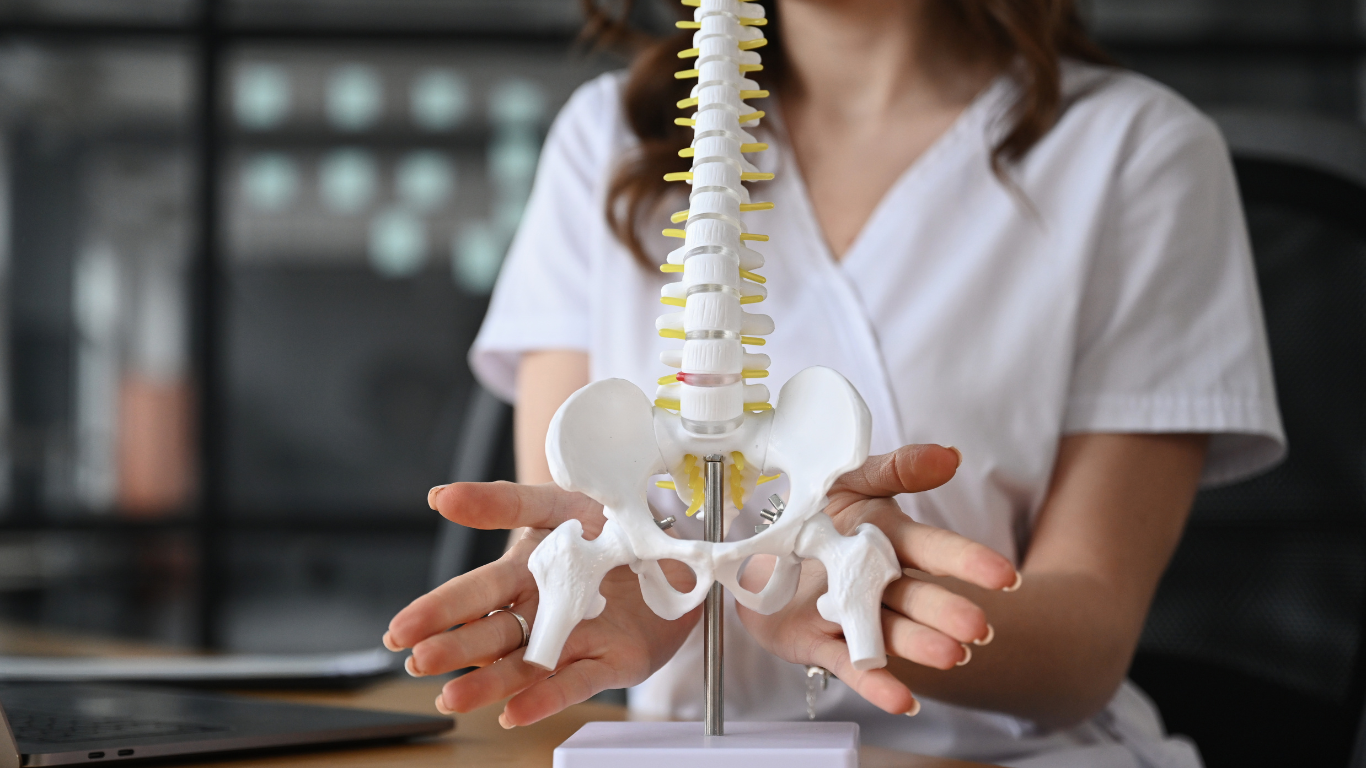
Living with chronic back or neck pain can feel overwhelming. Simple daily activities, like getting out of bed, walking, or even sitting comfortably, can become exhausting challenges. For many people, the search for relief becomes a long and frustrating journey filled with uncertainty and discomfort.
When pain radiates down the arms or legs, it often signals nerve irritation or inflammation. This type of pain is not only physically limiting but can also affect your emotional well-being, disrupting sleep, work, and quality of life. It’s in these moments that patients begin to explore effective, minimally invasive treatment options.
One such option is the epidural steroid injection, a widely used non-surgical procedure designed to reduce inflammation and alleviate nerve-related pain. While it may sound intimidating at first, it has helped countless patients regain control of their lives without undergoing surgery.
Under the guidance of experienced specialists like Dr. Gustavo Navarro, patients can better understand whether this treatment is right for them and how it fits into a comprehensive spine care plan. In this article, we’ll explore what an epidural steroid injection is, how it works, and when it is recommended.
What Is an Epidural Steroid Injection?
An epidural steroid injection is a minimally invasive procedure used to relieve pain caused by inflammation of spinal nerves. It involves delivering a corticosteroid medication directly into the epidural space, which surrounds the spinal cord and nerve roots.
This targeted approach allows the medication to act precisely where the inflammation is occurring. Unlike oral medications that travel through the entire body, this localized treatment can provide more effective and faster relief.
The primary goal of the injection is not just to mask pain but to reduce inflammation at its source, helping to calm irritated nerves and improve mobility. It is commonly used as part of a broader treatment plan that may include physical therapy and lifestyle modifications.
How Does an Epidural Steroid Injection Work?
Understanding the Source of Pain
Most spinal pain treated with an epidural steroid injection originates from nerve compression or irritation. Conditions such as herniated discs, spinal stenosis, or degenerative disc disease can cause swelling and inflammation around spinal nerves.
This inflammation leads to pain signals being sent to the brain, often felt as sharp, burning, or radiating discomfort. In some cases, patients experience numbness or weakness in the affected areas.
The Role of Corticosteroids
The injection contains a corticosteroid, a powerful anti-inflammatory medication. Once delivered into the epidural space, it works to reduce swelling and irritation, easing pressure on the nerves.
By decreasing inflammation, the steroid helps interrupt the cycle of pain. This can result in significant relief, sometimes lasting weeks or even months depending on the individual and underlying condition.
Immediate and Long-Term Effects
Some patients experience relief within a few days, while others may notice gradual improvement over time. In addition to pain reduction, the injection can improve function, allowing patients to participate more effectively in rehabilitation programs.
Importantly, epidural steroid injections are not a cure for structural spinal issues. However, they can play a crucial role in managing symptoms and avoiding or delaying surgery.
Conditions Treated with Epidural Steroid Injections
Epidural steroid injections are commonly recommended for conditions that involve nerve inflammation in the spine. One of the most frequent uses is for herniated discs, where the inner material of a disc presses against nearby nerves.
Spinal stenosis, a narrowing of the spinal canal, is another condition that can benefit from this treatment. As the space around the spinal cord becomes restricted, nerves may become compressed and inflamed.
Sciatica, characterized by pain radiating down the leg, is often treated with epidural injections. This condition is typically caused by irritation of the sciatic nerve in the lower back.
Degenerative disc disease and other age-related spinal changes may also lead to chronic inflammation and pain, making patients suitable candidates for this procedure.
Types of Epidural Steroid Injections
Interlaminar Epidural Injection
This is the most common approach, where the medication is delivered into the epidural space from the back of the spine. It allows the steroid to spread across multiple levels, making it useful for generalized pain.
Transforaminal Epidural Injection
In this technique, the injection is directed into the area where the nerve exits the spine. It provides a more targeted approach and is often used when pain is localized to a specific nerve root.
Caudal Epidural Injection
This method involves injecting medication through the sacral opening at the base of the spine. It is typically used when access to other areas is limited or when multiple levels are affected.
Each approach has its advantages, and the choice depends on the patient’s specific condition and anatomy.
What to Expect During the Procedure
An epidural steroid injection is usually performed on an outpatient basis and takes about 15 to 30 minutes. Patients are typically positioned lying face down or on their side to allow access to the spine.
The area is cleaned and numbed with a local anesthetic to minimize discomfort. Using imaging guidance such as fluoroscopy, the physician carefully inserts a needle into the epidural space.
Once the correct position is confirmed, the steroid medication is injected. Patients may feel slight pressure during the procedure, but significant pain is uncommon.
After the injection, patients are monitored briefly before being discharged. Most can return home the same day, although rest is recommended for the remainder of the day.
Benefits of Epidural Steroid Injections
One of the primary benefits of an epidural steroid injection is its ability to provide targeted pain relief without surgery. This makes it an appealing option for patients seeking conservative treatment.
The procedure can significantly reduce inflammation, leading to improved mobility and quality of life. Many patients find that it enables them to resume daily activities and participate in physical therapy more effectively.
Another key advantage is that it can help delay or even eliminate the need for surgery in some cases. For patients who are not ideal surgical candidates, it offers a valuable alternative.
Risks and Potential Side Effects
Like any medical procedure, epidural steroid injections carry some risks, although they are generally considered safe when performed by experienced professionals.
Common side effects may include temporary soreness at the injection site, mild headaches, or a brief increase in pain. These symptoms usually resolve within a few days.
Rare but more serious complications can include infection, bleeding, or nerve damage. This is why it is essential to have the procedure performed by a qualified specialist.
Patients should always discuss their medical history and any concerns with their physician before undergoing treatment.
How Long Do the Effects Last?
The duration of pain relief varies from patient to patient. Some individuals experience significant improvement for several months, while others may have shorter-term relief.
In many cases, a series of injections may be recommended to achieve optimal results. However, there are limits to how frequently these injections can be administered due to potential side effects of corticosteroids.
The goal is to use the injections strategically to maximize relief while minimizing risks.
When Is an Epidural Steroid Injection Recommended?
Epidural steroid injections are typically recommended when conservative treatments such as physical therapy, medications, and rest have not provided sufficient relief.
They are particularly effective for patients experiencing nerve-related pain, such as radiating arm or leg pain, rather than localized back pain alone.
Doctors may also use these injections as a diagnostic tool to confirm the source of pain. If the injection provides relief, it can help identify the affected nerve.
Ultimately, the decision to proceed with this treatment should be made in consultation with a spine specialist who can evaluate the patient’s condition and goals.
Recovery and Aftercare
Recovery from an epidural steroid injection is usually quick and straightforward. Patients are advised to rest on the day of the procedure and gradually return to normal activities.
Some individuals may experience temporary numbness or weakness, which typically resolves within a few hours. Applying ice to the injection site can help reduce soreness.
Follow-up care often includes physical therapy to strengthen the spine and prevent future issues. Maintaining a healthy lifestyle, including proper posture and regular exercise, is also essential for long-term results.
FAQ About Epidural Steroid Injection
What is the success rate of an epidural steroid injection?
The success rate varies depending on the condition being treated, but many patients experience meaningful pain relief. It is particularly effective for nerve-related pain such as sciatica.
Are epidural steroid injections painful?
Most patients report minimal discomfort during the procedure. Local anesthesia is used to numb the area, and any pressure felt is usually brief and manageable.
How many epidural steroid injections can I have?
Doctors typically limit the number of injections to a few per year to avoid potential side effects from repeated steroid use. The exact number depends on individual needs.
Can an epidural steroid injection cure my condition?
No, it does not cure the underlying condition. However, it can significantly reduce inflammation and pain, allowing for improved function and participation in other treatments.
Find Meaning Relief with Dr. Gustavo Navarro
Chronic spine pain doesn’t have to define your life. With advanced, minimally invasive options like the epidural steroid injection, many patients find meaningful relief without the need for surgery. Understanding how this treatment works is the first step toward making informed decisions about your health.
If you’ve been struggling with persistent back or nerve pain, it may be time to explore your options with a trusted specialist. Dr. Gustavo Navarro is dedicated to helping patients regain comfort, mobility, and confidence through personalized care.
Don’t wait to take control of your pain. Schedule a consultation today and discover whether an epidural steroid injection is the right solution for you. A healthier, more active life could be closer than you think.
.webp)
