

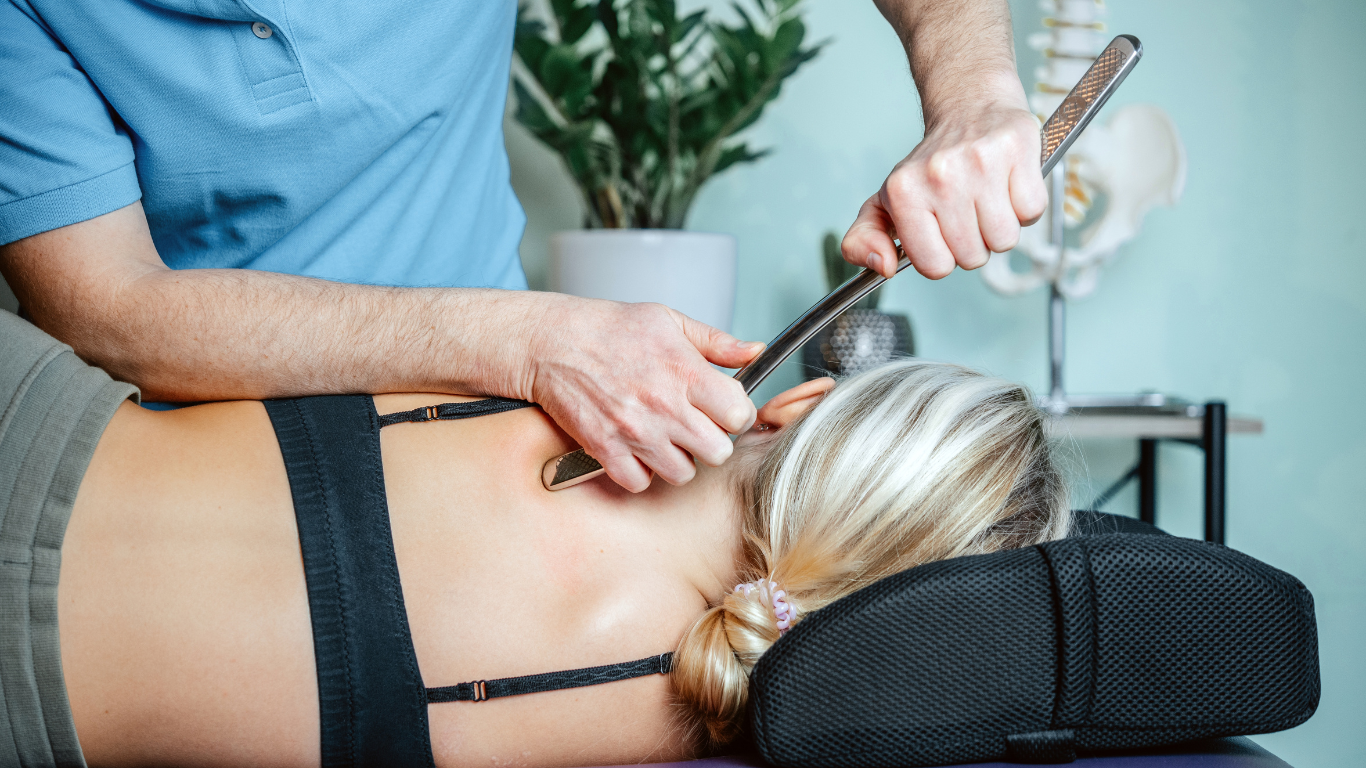
Back pain changes the rhythm of your life. It interrupts sleep, limits simple movements, and turns everyday tasks into difficult choices. When a doctor mentions spine surgery, it can feel overwhelming, as if you must decide quickly between living with pain or facing an operation.
If you are asking yourself, should you try therapy before spine surgery?, you are not alone. Many patients feel caught between hope for relief and fear of making the wrong decision. The uncertainty can be emotionally draining, especially when pain has already worn you down.
The good news is that most spine conditions allow time for thoughtful decision-making. Conservative care such as physical therapy often reduces pain, improves strength, and sometimes removes the need for surgery altogether. Even when surgery is necessary, preparing your body in advance can make a meaningful difference in recovery.
Specialists like Dr Gustavo Navarro emphasize informed choices, individualized treatment plans, and realistic expectations. Understanding when therapy helps, when surgery is necessary, and how to compare both paths will help you move forward with clarity and confidence.
Why Consider Therapy Before Spine Surgery?
For many patients, conservative treatment is the first and most appropriate step. Spine surgery can be life-changing when clearly indicated, but it is not always the first solution.
Trying therapy first offers several advantages. It allows time to determine whether symptoms improve with structured rehabilitation. It also strengthens muscles, improves flexibility, and reduces inflammation — all of which protect the spine.
Most importantly, therapy helps identify whether pain stems from structural compression or from deconditioning and movement dysfunction. Imaging findings alone do not always explain symptoms. A trial of conservative care can clarify the true source of pain.
Benefits of Non-Surgical Spine Treatment
Physical therapy targets the muscles that stabilize the spine. Weak core and hip muscles often increase stress on the lumbar and cervical regions. By improving strength and mobility, patients frequently notice reduced pain and improved tolerance for sitting, walking, and lifting.
Conservative care may include activity modification, guided exercise programs, posture correction, and short-term medication support. In some cases, targeted injections reduce inflammation around irritated nerves, allowing therapy to progress more effectively.
Research consistently shows that many cases of mechanical low back pain and mild lumbar radiculopathy improve without surgery. When patients commit to structured rehabilitation, the need for surgery often decreases.
Even when surgery becomes necessary, prehabilitation improves outcomes. Stronger muscles and better endurance typically shorten hospital stays and accelerate early recovery.
Risks of Skipping Conservative Care
Choosing immediate surgery without trying therapy can carry avoidable risks.
Surgical risks include infection, blood clots, nerve injury, persistent pain, and prolonged recovery. But beyond these typical surgical concerns, poor physical conditioning can slow healing and increase stiffness after the procedure.
Sometimes surgery addresses imaging findings rather than the true pain generator. Degenerative changes are common, especially with age. Not all abnormalities on MRI scans require correction. Skipping conservative treatment may lead to procedures that do not fully resolve symptoms.
A thoughtful, stepwise approach often prevents unnecessary interventions.
Spine Conditions That Often Improve With Therapy
Many common spine problems respond well to conservative management.
Mechanical low back pain frequently improves with strengthening and posture correction. Cervical strain and chronic neck pain related to muscle imbalance often resolve through targeted therapy. Mild to moderate lumbar radiculopathy caused by small disc bulges can also respond to guided exercise and inflammation control.
Patients with spinal stenosis sometimes improve walking tolerance through conditioning and core stabilization. While therapy does not reverse structural narrowing, it can improve functional capacity.
However, certain conditions require urgent surgical evaluation. Progressive weakness, loss of bowel or bladder control, unstable fractures, and severe spinal cord compression are red flags that demand immediate medical attention.
Understanding the Role of a Second Opinion
When surgery is recommended quickly, seeking a second opinion can provide clarity.
A spine specialist may confirm the diagnosis, suggest additional conservative measures, or propose less invasive surgical options. A thorough evaluation includes reviewing imaging, performing a neurological exam, and discussing realistic expectations.
A second opinion is not a sign of distrust. It is a step toward informed decision-making and increased confidence in your treatment plan.
Types of Therapy and Conservative Treatments
If you are considering therapy before spine surgery, understanding your options helps set expectations.
Physical Therapy Programs
Physical therapy focuses on core strength, flexibility, and movement control. Therapists design progressive programs that protect healing tissues while gradually improving endurance.
Common components include trunk stabilization exercises, hip mobility work, guided stretching, and posture retraining. Functional training helps patients return to daily activities safely.
A structured, supervised program reduces the risk of improper technique and ensures steady progress.
Pain Management Strategies
Pain control supports participation in rehabilitation. Short-term use of anti-inflammatory medications or muscle relaxants may reduce discomfort enough to allow consistent exercise.
Epidural steroid injections can decrease nerve inflammation in cases of radicular pain. Nerve blocks may also provide diagnostic information about the source of symptoms.
When used appropriately, these interventions complement therapy rather than replace it.
Lifestyle and Ergonomic Adjustments
Small daily habits significantly affect spine health.
Weight management reduces axial load on the lumbar spine. Smoking cessation improves tissue healing and surgical outcomes if an operation becomes necessary. Ergonomic changes at work and home prevent repetitive strain.
Learning to pace activities, modify lifting techniques, and maintain core engagement protects long-term spinal stability.
Complementary Therapies
Some patients benefit from chiropractic care, massage therapy, acupuncture, or transcutaneous electrical nerve stimulation. When integrated into a comprehensive plan, these treatments may improve comfort and mobility.
If conservative care fails after a reasonable trial, minimally invasive procedures such as discectomy may relieve nerve pressure without requiring fusion.
How Prehabilitation Improves Surgical Outcomes
If surgery becomes necessary, entering the procedure in stronger condition improves recovery.
Building Strength Before Surgery
Prehabilitation programs typically begin six to eight weeks before elective surgery. Goals include increasing core endurance, improving hip flexibility, and teaching safe movement patterns.
Stronger muscles stabilize the spine after surgery, reducing stress on healing tissues.
Improving Mobility and Function
Therapists focus on safe transfers, walking tolerance, and breathing techniques. Patients learn how to logroll in bed, protect incisions, and avoid unsafe bending.
Practicing these skills before surgery reduces anxiety and speeds postoperative independence.
Mental Preparation Matters
Surgical readiness includes emotional preparation. Understanding recovery timelines, activity restrictions, and rehabilitation expectations reduces fear.
Patients who feel prepared are more likely to adhere to postoperative guidelines, improving outcomes.
When Surgery Is the Better Option
While therapy helps many patients, surgery remains necessary in certain cases.
Severe nerve compression causing progressive weakness demands timely intervention. Loss of bowel or bladder control requires urgent evaluation. Significant spinal instability after trauma often needs surgical stabilization.
Large disc herniations producing persistent neurological deficits may not improve sufficiently with conservative care alone. Advanced deformities such as progressive scoliosis can also require operative correction.
The decision depends on symptom severity, imaging findings, and response to non-surgical treatment.
Comparing Recovery: Therapy vs Spine Surgery
Understanding recovery differences helps clarify the choice.
Conservative care often requires weeks to months of consistent effort but avoids surgical risk. Progress may be gradual, yet many patients experience meaningful improvement without downtime from surgery.
Surgical recovery varies by procedure. Minimally invasive decompressions may require several weeks of rehabilitation. Spinal fusion procedures can require months of structured recovery.
While surgery may offer faster relief for certain conditions, it also carries higher immediate risk and recovery demands.
The right decision depends on individual diagnosis, symptom severity, lifestyle goals, and overall health.
Making the Decision With Confidence
The question is not simply should you try therapy before spine surgery? The better question is what approach best aligns with your diagnosis, symptoms, and long-term goals.
Most spine specialists recommend a structured trial of conservative care unless red flag symptoms are present. Monitoring progress closely ensures that worsening conditions are not ignored.
Clear communication with your physician and therapist helps determine when therapy is sufficient and when surgical consultation becomes necessary.
Frequently Asked Questions
Should you try therapy before spine surgery for a herniated disc?
In many cases, yes. Mild to moderate herniated discs often improve with physical therapy, anti-inflammatory treatment, and activity modification. Surgery is typically reserved for persistent pain, progressive weakness, or failure of conservative care.
How long should you try therapy before considering surgery?
Most providers recommend six to twelve weeks of structured rehabilitation unless symptoms are worsening. Improvement during this period often reduces the need for surgery.
Can therapy make surgery unnecessary?
Yes. Many patients experience enough symptom relief through conservative treatment that surgery is no longer required. This is especially true for mechanical back pain and non-severe nerve compression.
What symptoms require immediate surgical evaluation?
Loss of bowel or bladder control, progressive muscle weakness, severe numbness, or unstable fractures require urgent medical attention. These signs indicate possible nerve or spinal cord compromise.
Does therapy improve recovery if surgery is unavoidable?
Absolutely. Prehabilitation strengthens muscles, improves endurance, and teaches safe movement patterns. Patients who complete therapy before surgery often recover more quickly and with fewer complications.
Making the Right Choice With Dr Gustavo Navarro
Facing spine surgery is not just a medical decision. It is personal, emotional, and deeply connected to your quality of life. If you are wondering whether therapy should come first, know that you have options and time in most cases to explore them carefully.
A structured trial of conservative care often reduces pain, restores function, and clarifies whether surgery is truly necessary. And if surgery becomes the right choice, entering the procedure stronger and better prepared improves recovery.
Dr Gustavo Navarro works closely with patients to compare risks, benefits, and recovery expectations so each decision feels informed rather than rushed. If you are confused about surgery versus conservative care, schedule a consultation to discuss your condition, review your imaging, and design a plan tailored to your goals.
Your spine deserves thoughtful care. The right decision starts with understanding your options.
.webp)
