

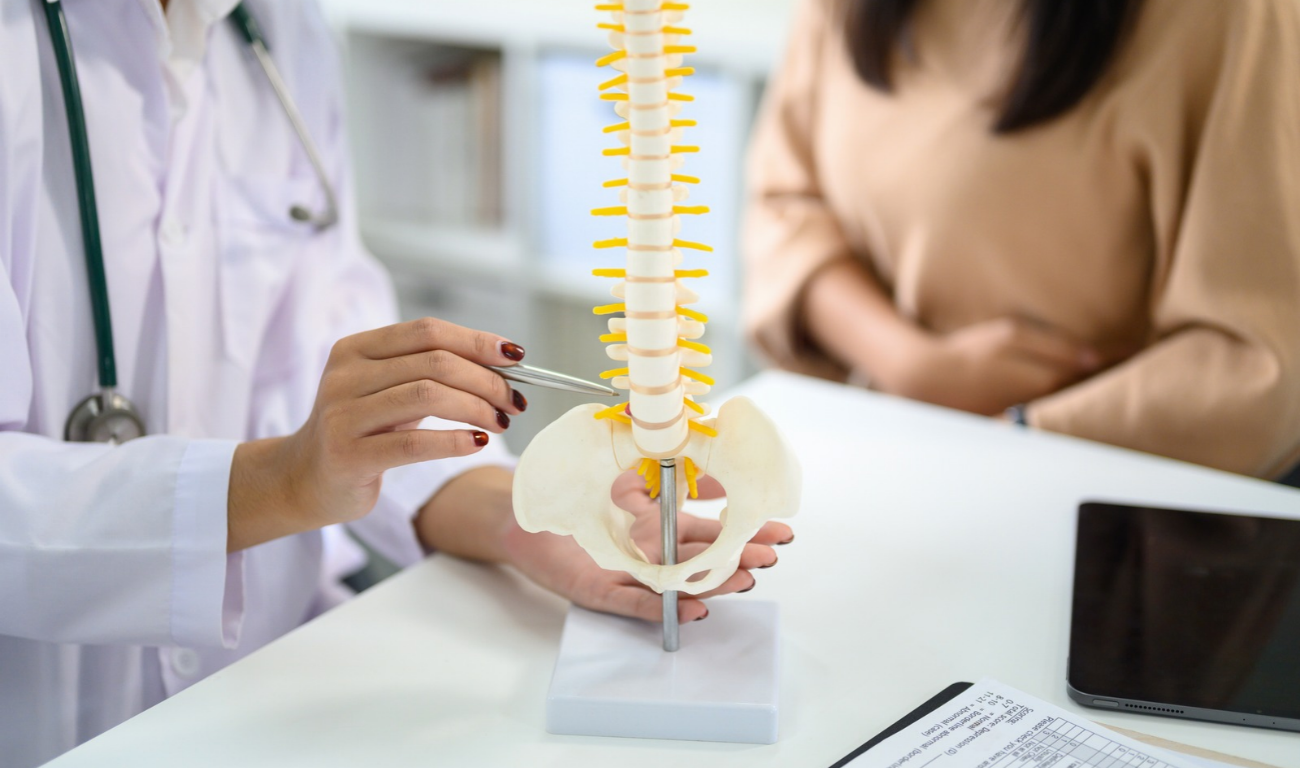
Back pain can be frustrating, but pain that shoots from the lower back into the buttock, thigh, calf, or foot can be especially disruptive. Everyday activities such as walking, sitting, working, or sleeping may become difficult when a compressed spinal nerve causes persistent symptoms.
For some patients, conservative treatment provides enough relief to return to normal life. For others, a herniated lumbar disc continues to irritate a nerve despite time, medication, physical therapy, and other nonsurgical treatments. When that happens, lumbar discectomy may become an option worth discussing.
The decision to have spine surgery is rarely based on an MRI alone. At Dr Navarro’s clinic, the focus is on understanding the patient's symptoms, physical examination, imaging findings, and response to previous treatments. The goal is to determine whether removing the portion of disc pressing on a nerve is likely to provide meaningful improvement.
Knowing who may benefit from lumbar discectomy can make an overwhelming decision easier to understand. If leg pain, numbness, or weakness is keeping you from the life you want, Dr Navarro can help you understand whether surgery is appropriate or whether another treatment approach may be better.
What Is Lumbar Discectomy?
Lumbar discectomy is a surgical procedure used to relieve pressure on a spinal nerve caused by a herniated disc in the lower back.
The lumbar spine contains five vertebrae separated by discs that act as cushions and help the spine move. Each disc has a tough outer layer surrounding a softer inner material. When part of a disc pushes through a weakened or damaged outer layer, it can come into contact with a nearby nerve root.
This can cause lumbar radiculopathy, commonly known as sciatica when symptoms travel along the sciatic nerve pathway.
During a discectomy, the surgeon removes the portion of disc material that is compressing the affected nerve. The objective is not necessarily to remove the entire disc, but to decompress the nerve and relieve the source of radiating symptoms.
Why Does a Herniated Disc Cause Leg Pain?
A herniated lumbar disc can affect a nearby nerve root as it exits the spinal canal. The resulting inflammation and compression can cause symptoms beyond the lower back.
Patients may experience sharp or burning pain traveling into the buttock and leg, numbness or tingling, and weakness in specific muscles. Symptoms often become more noticeable with sitting, coughing, sneezing, or certain movements.
Sciatica and Lumbar Radiculopathy
Sciatica is commonly associated with irritation of the sciatic nerve or its contributing nerve roots. Depending on which lumbar nerve is affected, symptoms may extend into different parts of the leg and foot.
Leg pain is often more important than back pain when considering discectomy. A patient with severe radiating leg pain caused by nerve compression may be a better surgical candidate than someone whose primary complaint is nonspecific lower back pain.
This distinction is important because lumbar discectomy is primarily intended to decompress a nerve, not to treat every type of lower back pain.
Who May Need Lumbar Discectomy?
Not everyone with a herniated disc needs surgery. In fact, many patients improve with nonsurgical treatment.
Lumbar discectomy is generally considered when there is a clear connection between the patient's symptoms, clinical examination, and imaging findings, particularly when nerve compression is causing significant leg pain or neurological symptoms.
Persistent Symptoms Despite Conservative Treatment
Many patients initially receive conservative care. This can include medication, physical therapy, activity modification, and other nonsurgical approaches.
If symptoms continue despite an appropriate period of conservative treatment and significantly interfere with daily life, surgery may become a reasonable consideration.
The exact timing varies according to the patient's condition. There is no single number of weeks that applies to everyone.
Significant Leg Pain
Severe, persistent radicular leg pain is one of the most common reasons a patient may consider lumbar discectomy.
When a herniated disc clearly compresses a nerve and produces debilitating leg pain, removing the offending disc fragment can directly address the mechanical source of the symptoms.
Numbness or Weakness
Sensory changes and weakness deserve particular attention.
Progressive muscle weakness can indicate increasing nerve dysfunction and may change the urgency of treatment. A patient developing significant or worsening weakness should receive prompt medical evaluation rather than relying solely on routine conservative care.
Symptoms That Affect Quality of Life
Pain severity is only one consideration. The impact on daily life matters as well.
A patient who cannot sleep, work, exercise, drive, or participate in normal activities because of persistent nerve pain may reasonably consider surgical treatment if the clinical findings support it.
At Dr Navarro’s clinic, treatment decisions should take into account both the medical findings and what the condition means for the patient's everyday life.
When Is Surgery Not the First Choice?
A herniated disc on an MRI does not automatically mean that surgery is necessary.
Many people have disc abnormalities without significant symptoms. An imaging finding must therefore be interpreted in the context of the patient's history and physical examination.
Mild or Improving Symptoms
If symptoms are already improving, surgery may not provide enough additional benefit to justify the risks.
Patients with manageable symptoms and stable neurological function may continue with conservative treatment while monitoring their progress.
Back Pain Without Clear Nerve Compression
Lumbar discectomy is generally more effective for nerve related leg symptoms than for nonspecific low back pain.
If a patient has primarily localized back pain without convincing evidence of nerve compression, removing a disc fragment may not address the actual pain generator.
This is one reason patient selection is so important.
How Is a Patient Evaluated for Lumbar Discectomy?
Medical History
The evaluation begins with a detailed discussion of symptoms.
Dr Navarro may ask when the pain started, whether it travels into the leg, which activities make it worse, whether there is numbness or weakness, and what treatments have already been attempted.
The duration and progression of symptoms can provide important information about whether the condition is improving naturally or remaining persistent.
Physical Examination
A neurological examination can assess muscle strength, sensation, reflexes, and other signs of nerve dysfunction.
The physical examination can help identify which nerve root may be affected and whether the findings are consistent with the patient's reported symptoms.
MRI and Other Imaging
MRI is commonly used to visualize lumbar discs and nerve compression. It can show whether a disc herniation is contacting or compressing a nerve root.
However, an MRI should not be viewed in isolation. A disc herniation must correspond to the patient's clinical symptoms before surgery is considered.
This combination of symptoms, examination, and imaging is central to appropriate patient selection.
What Happens During Lumbar Discectomy?
The specific surgical technique depends on the patient's anatomy and the location of the herniated disc.
In many cases, lumbar discectomy is performed through a relatively small incision. The surgeon accesses the affected area of the spine and carefully moves surrounding tissues to reach the compressed nerve.
The portion of disc material pressing on the nerve is then removed. In some cases, a small amount of bone or other tissue may also need to be removed to provide adequate access and decompression.
The underlying goal remains the same, freeing the nerve from compression while preserving as much normal spinal structure as possible.
What Outcomes Can Patients Expect?
One of the most important questions patients ask is whether lumbar discectomy actually works.
For appropriately selected patients with a symptomatic lumbar disc herniation, evidence supports surgery as an effective treatment for relieving radicular leg pain. Clinical studies have demonstrated that surgery can provide faster relief for selected patients, particularly those with persistent symptoms that have not responded adequately to conservative treatment.
Relief of Leg Pain
Leg pain is often the symptom most likely to improve after lumbar discectomy.
When the affected nerve is successfully decompressed, irritation caused by the disc fragment can decrease. Some patients experience substantial improvement relatively quickly, although recovery varies.
Improvement in Function
As pain decreases, patients may find it easier to walk, sleep, work, exercise, and return to daily activities.
The objective is not simply a better MRI. The meaningful outcome is improved function and quality of life.
Recovery of Nerve Function
Nerves can take longer to recover than pain.
If a nerve has been compressed for an extended period, numbness or weakness may persist even after the mechanical compression has been relieved. The extent and duration of nerve dysfunction before surgery can influence recovery.
This is another reason why progressive neurological symptoms should not be ignored.
What Is Recovery Like After Lumbar Discectomy?
Recovery varies depending on the surgical technique, the patient's health, the severity of nerve compression, and the demands of their normal activities.
Many patients can begin walking soon after surgery. Activity is generally increased gradually, while specific restrictions are followed during the initial healing period.
Returning to Everyday Activities
The timeline for returning to work depends heavily on the type of work involved.
Someone with a desk based job may return sooner than someone whose occupation involves heavy lifting, repetitive bending, or strenuous physical activity.
Physical therapy may be recommended in some cases to help restore strength, movement, and confidence as recovery progresses.
Managing Expectations
Pain relief can occur relatively quickly after successful decompression, but not every symptom disappears immediately.
Numbness, tingling, and weakness may take longer to improve than leg pain. In some cases, nerve damage may be partially or permanently irreversible, particularly when compression has been severe or prolonged.
A realistic recovery plan should therefore consider both immediate symptom relief and longer term neurological recovery.
What Are the Risks of Lumbar Discectomy?
Lumbar discectomy is commonly performed, but it is still surgery and carries potential risks.
Possible complications include infection, bleeding, blood clots, nerve injury, spinal fluid leakage, recurrent disc herniation, and persistent or recurrent symptoms. The exact risks vary depending on the patient's health and surgical circumstances.
There is also a possibility that surgery may not completely eliminate pain, particularly when symptoms come from more than one condition.
Discussing individual risks with Dr Navarro before surgery can help patients make an informed decision based on their specific circumstances.
Can a Herniated Disc Return After Discectomy?
Yes, a disc herniation can recur after surgery.
Lumbar discectomy removes the material causing the immediate nerve compression, but it does not make the remaining disc immune to future degeneration or herniation.
Patients should follow their postoperative instructions and gradually return to activity. Maintaining appropriate physical conditioning and using safe movement strategies can also support long term spinal health.
A recurrence does not mean the original procedure failed. It means that the disc or another spinal structure has developed a new problem that may require reassessment.
Lumbar Discectomy vs Conservative Treatment
The decision between surgery and conservative treatment should be individualized.
Conservative care avoids surgical risks and allows many patients to improve naturally. It may be particularly appropriate when symptoms are mild, stable, or already getting better.
Surgery may offer faster relief for carefully selected patients with persistent radicular symptoms, especially when nerve compression is clearly demonstrated and symptoms substantially affect quality of life.
Research comparing surgical and nonsurgical approaches suggests that both can lead to improvement, while surgery often provides more rapid symptom relief in appropriately selected patients.
The right decision depends on the patient's symptoms, neurological findings, imaging, treatment response, expectations, and personal priorities.
When Should You Seek Medical Attention?
Back and leg pain should receive prompt medical evaluation when symptoms are severe, persistent, or worsening.
New or progressive weakness requires particular attention. Patients who develop difficulty walking, significant loss of sensation, or changes involving bowel or bladder control may have a more serious neurological problem requiring urgent assessment.
These symptoms should not be managed by simply waiting for a routine appointment.
Frequently Asked Questions About Lumbar Discectomy
How do I know if I need lumbar discectomy?
You may be considered for lumbar discectomy when a herniated disc is clearly compressing a nerve and causing significant symptoms, particularly persistent leg pain, numbness, or weakness that has not improved adequately with conservative treatment. Your symptoms, physical examination, and imaging should all support the diagnosis.
Is lumbar discectomy better than physical therapy?
Neither treatment is universally better. Many patients improve with conservative care, while appropriately selected patients may experience faster relief from surgery. The decision depends on symptom severity, duration, neurological findings, and response to previous treatment.
How successful is lumbar discectomy?
Lumbar discectomy has a strong track record for relieving radicular leg pain caused by a symptomatic herniated disc. Outcomes depend heavily on appropriate patient selection and whether the treated disc is actually responsible for the symptoms.
How long does it take to recover from lumbar discectomy?
Recovery varies between patients. Many can begin walking shortly after surgery, but returning to work and strenuous activity may take longer. Your recovery timeline will depend on the procedure, your overall health, and the physical demands of your normal activities.
Will lumbar discectomy relieve back pain?
It can, but the procedure is primarily designed to relieve symptoms caused by nerve compression, particularly radiating leg pain. Patients whose primary problem is nonspecific low back pain may not experience the same benefit.
Can I avoid surgery for a herniated disc?
Many patients can. Herniated discs may improve with time and conservative treatment. However, persistent severe symptoms or progressive neurological problems can change the treatment recommendation, making surgical evaluation appropriate.
Make a Careful Evaluation With Dr Navarro
Living with constant leg pain can gradually affect everything, from sleep and work to exercise and time with family. When a herniated disc keeps a spinal nerve compressed, simply waiting for the pain to disappear may not always feel like an acceptable option.
Dr Navarro can help determine whether lumbar discectomy is appropriate for your specific condition. A careful evaluation of your symptoms, neurological function, imaging, and previous treatment can provide a clearer picture of whether surgery is likely to help or whether continued conservative care makes more sense.
If persistent back and leg pain is preventing you from doing the things you value, schedule an evaluation with Dr Navarro to understand your options and take the next step toward meaningful relief.
.webp)
