

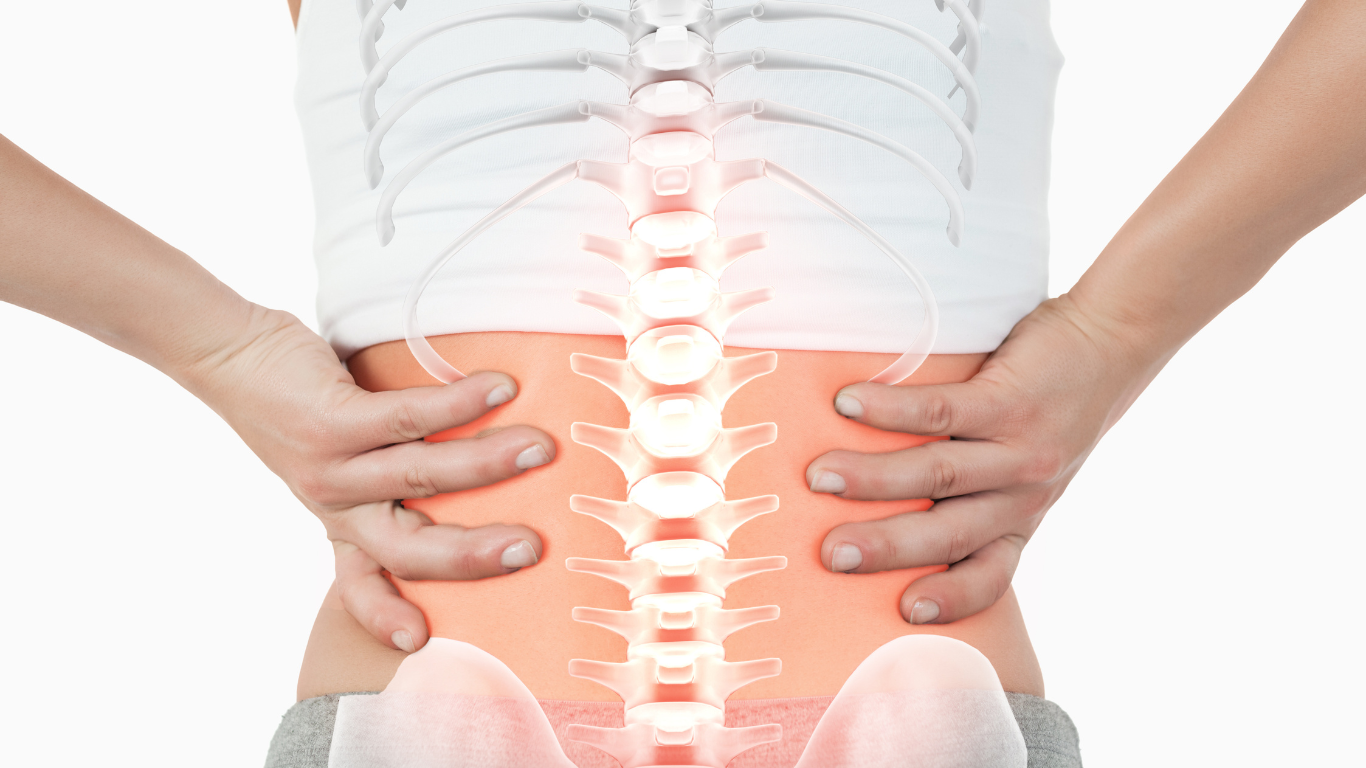
The spine depends on proper alignment to support movement, absorb everyday forces, and protect the nerves that travel between the brain and the rest of the body. When one vertebra slips forward over the one below it, this balance is disrupted. The condition, known as spondylolisthesis, can range from mild and asymptomatic to painful enough to interfere with daily life.
Many people do not realize they have the condition until spondylolisthesis symptoms begin affecting their mobility. Lower back pain, stiffness, leg pain, or numbness often develop gradually, making it easy to mistake the problem for a muscle strain or the natural effects of aging. Understanding these symptoms is the first step toward receiving the right treatment.
Not every patient with spondylolisthesis requires surgery. In many cases, early diagnosis and conservative care can effectively manage symptoms and slow the progression of spinal instability. However, certain warning signs indicate that a medical evaluation should not be delayed.
At Dr. Navarro's practice, every patient receives a thorough evaluation to determine the cause of their symptoms and develop a personalized treatment plan. Whether the condition can be managed with nonsurgical care or requires surgical stabilization, the goal is to relieve pain, improve function, and help patients safely return to their daily activities.
What Is Spondylolisthesis?
Spondylolisthesis is a spinal condition in which one vertebra slips forward over the vertebra directly beneath it. This movement changes the normal alignment of the spine and may increase stress on the discs, facet joints, ligaments, and spinal nerves.
The condition most commonly affects the lumbar spine, particularly the L4-L5 and L5-S1 levels. While some patients have only a small amount of vertebral slippage, others develop significant instability that causes pain or neurological symptoms.
The degree of slippage does not always determine symptom severity. Some patients with mild displacement experience persistent pain, while others with more advanced slippage remain relatively comfortable for years.
What Causes Spondylolisthesis?
Several different conditions can cause one vertebra to shift out of position. Identifying the underlying cause helps determine the most appropriate treatment plan.
Degenerative Spondylolisthesis
The most common form develops as part of the natural aging process. Over time, spinal discs lose height and elasticity while the facet joints develop arthritis. As these supporting structures weaken, the vertebrae may gradually lose stability and begin to slip.
Degenerative spondylolisthesis most often affects adults over the age of 50 and is slightly more common in women.
Isthmic Spondylolisthesis
This type occurs when a small stress fracture develops in a portion of the vertebra called the pars interarticularis. The fracture may result from repetitive stress during sports or physical activities involving frequent bending and extension of the lower back.
Some individuals develop the fracture during adolescence but do not experience symptoms until adulthood.
Congenital Spondylolisthesis
In some patients, the bones of the spine do not form normally before birth. These structural differences can make vertebral slippage more likely later in life.
Traumatic Spondylolisthesis
A severe injury, such as a motor vehicle accident or fall, can damage the joints or ligaments that stabilize the spine, resulting in vertebral displacement.
Pathologic Spondylolisthesis
Less commonly, spinal tumors, infections, or diseases that weaken bone can contribute to vertebral instability.
Common Spondylolisthesis Symptoms
Symptoms vary widely depending on the degree of vertebral slippage, the stability of the spine, and whether nearby nerves become compressed.
Lower Back Pain
Persistent lower back pain is the most common symptom of spondylolisthesis. The discomfort often increases during standing, walking, or activities that place additional stress on the lumbar spine.
Many patients notice temporary relief when sitting or leaning slightly forward because these positions reduce pressure on the affected spinal structures.
Muscle Tightness
Tightness in the hamstrings and lower back frequently develops as the body attempts to stabilize the unstable segment of the spine.
This muscle tension may limit flexibility and make activities such as bending, climbing stairs, or walking longer distances more difficult.
Pain That Radiates Into the Legs
When the slipped vertebra narrows the spaces where spinal nerves exit, pain may travel into the buttocks, thighs, calves, or feet.
This radiating pain is often similar to sciatica and may worsen with prolonged standing or walking.
Numbness and Tingling
Compression of spinal nerves can produce numbness, tingling, or a pins and needles sensation in one or both legs.
These symptoms may come and go during the early stages of the condition but often become more persistent if nerve compression progresses.
Leg Weakness
Some patients develop weakness in the legs or feet, making it more difficult to climb stairs, maintain balance, or walk for extended periods.
Muscle weakness is an important neurological symptom that should always be evaluated by a spine specialist.
Changes in Posture
As spinal alignment changes, some individuals naturally adjust their posture to reduce discomfort.
Patients may notice a forward leaning position, increased curvature of the lower back, or difficulty standing completely upright.
How Symptoms May Progress Over Time
Spondylolisthesis does not progress at the same rate in every patient. Some individuals remain stable for years, while others experience gradually worsening symptoms as vertebral slippage increases.
Early symptoms are often limited to intermittent lower back pain after physical activity. As instability develops, pain may become more frequent and begin interfering with routine tasks.
If nerve compression occurs, symptoms may extend into the legs and include numbness, tingling, weakness, or changes in walking ability. Without appropriate treatment, these neurological symptoms may continue to worsen.
Monitoring symptom progression helps physicians determine whether conservative treatment remains appropriate or if surgical intervention should be considered.
When Should You See a Spine Specialist?
Many cases of mild spondylolisthesis respond well to nonsurgical treatment. However, persistent or worsening symptoms should never be ignored.
A medical evaluation is recommended if lower back pain lasts for several weeks despite rest or conservative care. Patients should also seek evaluation if pain begins radiating into the legs or if numbness, tingling, or weakness develops.
Difficulty walking, increasing limitations during everyday activities, or pain that frequently interrupts sleep may indicate that spinal instability has progressed.
Early diagnosis allows treatment to begin before permanent nerve damage or significant loss of function occurs.
Symptoms That Require Immediate Medical Attention
Although uncommon, certain symptoms require urgent medical evaluation.
Loss of bowel or bladder control may indicate severe compression of the nerves at the base of the spinal cord.
Rapidly worsening leg weakness, difficulty standing, or sudden loss of sensation should also be evaluated immediately.
These symptoms may represent serious neurological compression that requires prompt treatment to reduce the risk of permanent nerve injury.
How Spondylolisthesis Is Diagnosed
Diagnosis begins with a detailed medical history and physical examination.
Your physician will evaluate the location of pain, identify activities that worsen symptoms, assess muscle strength and reflexes, and look for signs of nerve compression or spinal instability.
Imaging studies help confirm the diagnosis and determine the severity of vertebral slippage.
X-rays
Standing X-rays are typically the first imaging study performed. They clearly show the position of the vertebrae and allow physicians to measure the degree of slippage.
Flexion and extension X-rays may also be obtained to evaluate spinal stability during movement.
MRI
An MRI provides detailed images of the spinal discs, nerves, ligaments, and soft tissues.
This study is especially valuable when patients have leg pain, numbness, weakness, or other neurological symptoms because it can identify nerve compression.
CT Scan
A CT scan offers detailed visualization of the bones of the spine and may be recommended when fractures or complex spinal anatomy require further evaluation.
Treatment Options for Spondylolisthesis Symptoms
Treatment depends on the severity of symptoms, the degree of vertebral slippage, and whether neurological compression is present.
Conservative Treatment
Many patients improve without surgery.
Conservative care may include physical therapy to strengthen the muscles supporting the spine, activity modification, anti-inflammatory medications, and carefully selected spinal injections to reduce inflammation around irritated nerves.
The primary goals are to relieve pain, improve mobility, and stabilize the spine while allowing patients to maintain their daily activities.
Surgical Treatment
Surgery may be recommended when conservative treatment no longer provides adequate relief or when neurological symptoms continue to worsen.
Common reasons to consider surgery include persistent pain that limits quality of life, progressive weakness, significant spinal instability, or nerve compression that affects walking or daily function.
Depending on the individual case, surgery may involve spinal decompression, spinal fusion, or both procedures to relieve pressure on the nerves while restoring spinal stability.
Can Spondylolisthesis Be Prevented?
Not every case can be prevented, particularly those related to aging or congenital spinal anatomy. However, maintaining good spinal health may reduce the risk of symptom progression.
Regular exercise, maintaining a healthy weight, practicing proper lifting techniques, and strengthening the core muscles all help support the lumbar spine.
Patients who participate in sports involving repetitive spinal extension should also use proper conditioning and technique to reduce excessive stress on the lower back.
Frequently Asked Questions
Can spondylolisthesis symptoms come and go?
Yes. Many patients experience intermittent symptoms during the early stages. Pain may increase after physical activity and improve with rest before becoming more consistent over time.
Is leg pain always present with spondylolisthesis?
No. Some patients experience only lower back pain. Leg pain typically develops when the slipped vertebra compresses nearby spinal nerves.
Can exercise make spondylolisthesis worse?
Not necessarily. Appropriate exercises prescribed by a healthcare professional often improve spinal stability and reduce symptoms. High impact activities or exercises that excessively extend the lower back may worsen discomfort in some patients.
Does everyone with spondylolisthesis need surgery?
No. Many patients successfully manage their condition with conservative treatment. Surgery is generally considered when symptoms persist despite nonsurgical care or when neurological deficits or significant spinal instability develop.
Don't Ignore Persistent Spondylolisthesis Symptoms
Recognizing spondylolisthesis symptoms early can make a significant difference in your treatment options and long term spinal health. While many patients improve with conservative care, persistent pain, worsening neurological symptoms, or signs of spinal instability should always be evaluated by a spine specialist. An accurate diagnosis allows treatment to begin before the condition progresses and helps preserve mobility, function, and quality of life.
If you are experiencing ongoing lower back pain, leg pain, numbness, or weakness, Dr. Navarro can provide a comprehensive evaluation and recommend the treatment approach that best fits your condition. Whether conservative management or advanced surgical care is appropriate, receiving expert guidance early can help you move forward with greater confidence and comfort.
.webp)
