

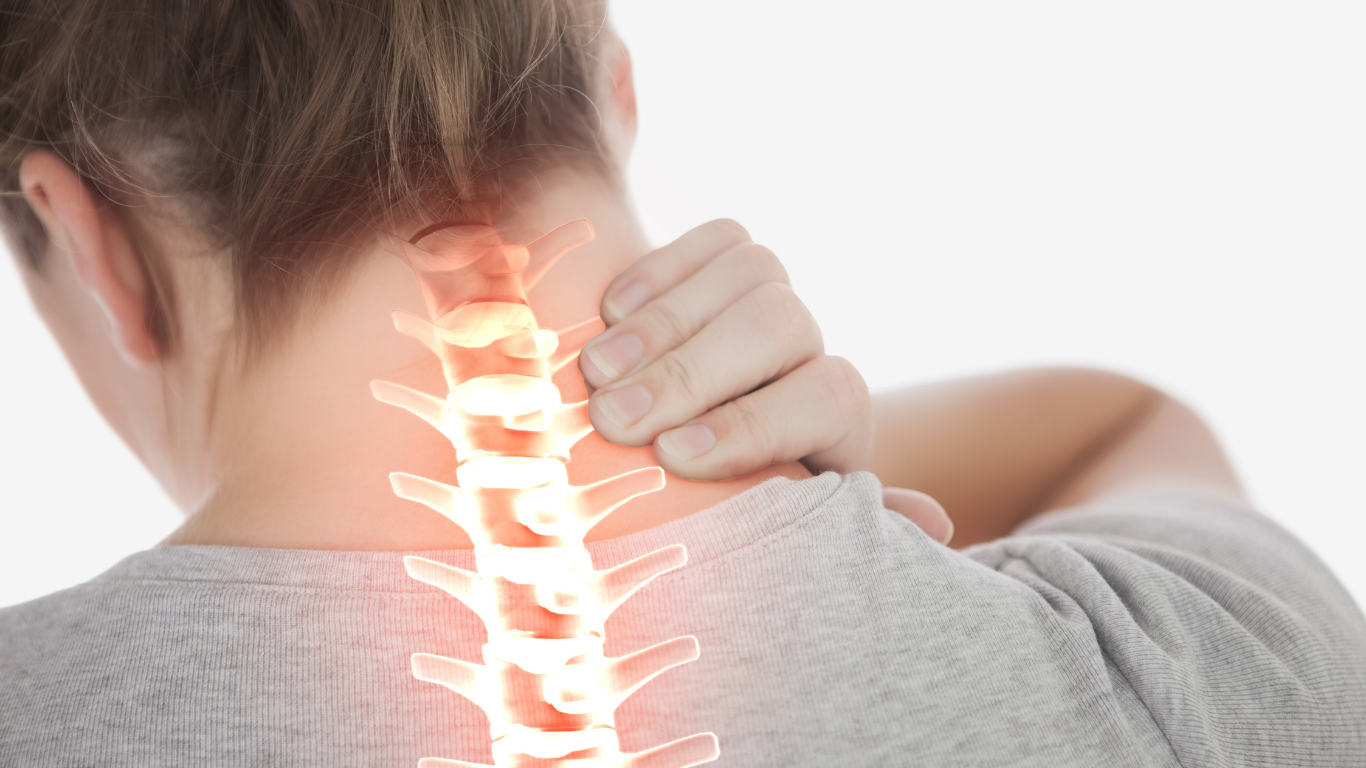
Cervical radiculopathy doesn’t just bring physical discomfort, it can quietly disrupt your daily life in ways you didn’t expect. That persistent tingling in your arm, the sharp pain when you turn your neck, or the unexplained weakness in your hand can feel confusing and even alarming. Many people ignore these early warning signs, hoping they’ll fade on their own, only to find the condition gradually worsening.
For those navigating this pain, the uncertainty can be just as difficult as the symptoms themselves. You may wonder whether it’s a simple strain or something more serious affecting your spine. The truth is, when nerves in the neck become compressed or irritated, the body sends signals that shouldn’t be ignored. Recognizing them early can make a meaningful difference in recovery.
This is where expert guidance becomes essential. Professionals like Dr Navarro understand not only the physical complexities of cervical radiculopathy but also the emotional toll it can take. With the right diagnosis and care plan, many patients regain comfort, mobility, and confidence in their daily lives.
If you’ve been searching for answers about your neck pain or nerve symptoms, this guide will walk you through everything you need to know, from causes and symptoms to effective treatment options, so you can take informed steps toward relief.
What Is Cervical Radiculopathy?
Cervical radiculopathy refers to a condition where a nerve root in the cervical spine (neck region) becomes compressed or inflamed. This compression interferes with the nerve’s ability to function properly, leading to pain, numbness, tingling, or weakness that can radiate from the neck into the shoulders, arms, and even hands.
The cervical spine is made up of seven vertebrae, labeled C1 through C7. Between these vertebrae are discs that act as cushions, as well as nerve roots that branch out from the spinal cord. When one of these nerves is pinched, it creates the symptoms associated with cervical radiculopathy.
Unlike general neck pain, this condition involves nerve involvement, which explains why symptoms often travel beyond the neck itself.
Common Symptoms of Cervical Radiculopathy
Pain That Radiates Beyond the Neck
One of the hallmark signs is radiating pain. This pain may start in the neck but often spreads to the shoulder, arm, or hand. It can feel sharp, burning, or electric-like, and may worsen with certain movements such as turning the head or looking down.
Numbness and Tingling
Many people experience a pins-and-needles sensation in the arms or fingers. This occurs because the affected nerve is unable to transmit signals properly, leading to altered sensation.
Muscle Weakness
As the condition progresses, you may notice weakness in specific muscles, particularly in the arms or hands. Tasks like gripping objects or lifting items can become more difficult.
Reduced Reflexes
In some cases, reflexes in the arms may diminish. This is often detected during a physical examination and helps confirm nerve involvement.
What Causes Cervical Radiculopathy?
Herniated Discs
A herniated or slipped disc is one of the most common causes. When the soft inner material of a disc pushes through its outer layer, it can press against nearby nerves.
Degenerative Changes
As we age, the spine undergoes natural wear and tear. Conditions like degenerative disc disease or osteoarthritis can lead to bone spurs that compress nerve roots.
Spinal Stenosis
This condition involves a narrowing of the spinal canal, which can put pressure on the spinal cord and nerve roots.
Injury or Trauma
Sudden injuries, such as those from car accidents or falls, can damage the cervical spine and lead to nerve compression.
Poor Posture and Repetitive Strain
Modern lifestyles often involve long hours of sitting and screen use. Over time, poor posture can contribute to spinal misalignment and increased pressure on cervical nerves.
How Cervical Radiculopathy Is Diagnosed
Medical History and Physical Exam
A healthcare provider will begin by reviewing your symptoms and medical history. During the physical exam, they may test your strength, reflexes, and range of motion.
Imaging Tests
Diagnostic imaging plays a key role in confirming cervical radiculopathy. Common tests include MRI scans, which provide detailed images of soft tissues, and X-rays, which reveal structural changes in the spine.
Nerve Function Tests
Electromyography (EMG) and nerve conduction studies can assess how well your nerves are functioning and help pinpoint the affected nerve root.
Treatment Options for Cervical Radiculopathy
Conservative (Non-Surgical) Treatments
Most cases improve with non-surgical approaches, especially when addressed early.
Physical Therapy
Targeted exercises can strengthen neck muscles, improve posture, and reduce pressure on affected nerves. A structured program often leads to gradual but lasting improvement.
Medications
Pain relievers, anti-inflammatory drugs, and muscle relaxants may be prescribed to manage symptoms and reduce inflammation.
Activity Modification
Avoiding movements that worsen symptoms and incorporating ergonomic adjustments can significantly ease discomfort.
Cervical Collar
In some cases, a soft cervical collar may be used temporarily to limit movement and allow the neck to heal.
Advanced Non-Surgical Treatments
Epidural Steroid Injections
These injections deliver anti-inflammatory medication directly to the affected area, helping reduce pain and swelling around the nerve.
Surgical Treatment Options
When conservative treatments fail to provide relief, surgery may be considered.
Discectomy
This procedure involves removing part of a herniated disc to relieve pressure on the nerve.
Cervical Fusion
After removing a problematic disc, the surgeon may fuse adjacent vertebrae to stabilize the spine.
Artificial Disc Replacement
In some cases, the damaged disc is replaced with an artificial one, preserving more natural movement in the spine.
Recovery and Lifestyle Adjustments
Importance of Early Treatment
Addressing symptoms early can prevent complications and improve outcomes. Delaying care may lead to prolonged nerve damage or chronic pain.
Posture and Ergonomics
Maintaining proper posture, especially during work or screen time, is crucial. Small adjustments, such as monitor height and chair support, can make a big difference.
Regular Exercise
Engaging in low-impact activities like walking or swimming helps maintain spinal health and overall well-being.
Stress Management
Stress can contribute to muscle tension, which may worsen symptoms. Practices like mindfulness or gentle stretching can help manage this.
When to See a Specialist
If symptoms persist for several weeks, worsen over time, or include significant weakness or loss of coordination, it’s important to seek professional care. Early intervention can prevent long-term complications and improve recovery outcomes.
FAQs About Cervical Radiculopathy
What is the fastest way to relieve cervical radiculopathy pain?
Relief often comes from a combination of rest, anti-inflammatory medications, and physical therapy. In some cases, epidural steroid injections can provide quicker pain reduction.
Can cervical radiculopathy go away on its own?
Yes, many cases improve without surgery. However, proper diagnosis and guided treatment increase the chances of full recovery and reduce the risk of recurrence.
Is cervical radiculopathy a serious condition?
While not always severe, it can become serious if left untreated. Persistent nerve compression may lead to long-term weakness or nerve damage.
How long does it take to recover from cervical radiculopathy?
Recovery time varies depending on severity and treatment. Mild cases may improve within weeks, while more complex cases can take several months.
Can exercise make cervical radiculopathy worse?
Certain movements may aggravate symptoms, but guided exercises under professional supervision are beneficial and often essential for recovery.
Take Control of Your Neck Health Today
Living with cervical radiculopathy can feel overwhelming, but it doesn’t have to define your daily life. With the right approach, most people find meaningful relief and return to the activities they enjoy. The key lies in understanding your symptoms, seeking timely care, and committing to a personalized treatment plan.
Dr Navarro has helped many individuals move from pain and uncertainty to strength and recovery. With expert guidance, you can address the root cause of your discomfort and build a path toward lasting relief. Don’t wait for symptoms to worsen, taking action today can make all the difference in how you feel tomorrow.
If you’re ready to regain control of your health and reduce nerve pain, now is the time to seek professional support and start your recovery journey.
.webp)
