

Living with persistent neck pain can feel like carrying an invisible weight that never lifts. Simple movements such as turning your head or sitting comfortably can become daily challenges that slowly drain your energy and focus. Over time, this discomfort can extend beyond the physical, affecting your mood, sleep, and overall well being.
For many people, conservative treatments like physical therapy or medication provide only temporary relief. When symptoms persist or worsen, the thought of surgery can feel intimidating. Questions about safety, recovery, and long term results often create hesitation at a moment when clarity is needed most.
This is where expert guidance makes a difference. At Dr Navarro’s clinic, patients are supported with a personalized approach that prioritizes both medical excellence and emotional reassurance. Their goal is not just to treat the condition, but to restore confidence and quality of life.
Understanding anterior cervical discectomy and fusion can help you make informed decisions about your health. This guide explains the procedure, its indications, and its benefits in a clear and practical way.
What Is Anterior Cervical Discectomy and Fusion
Understanding the Procedure
Anterior cervical discectomy and fusion is a surgical technique designed to relieve pressure on the spinal cord or nerve roots in the neck. It is one of the most commonly performed spine surgeries due to its high success rate and predictable outcomes.
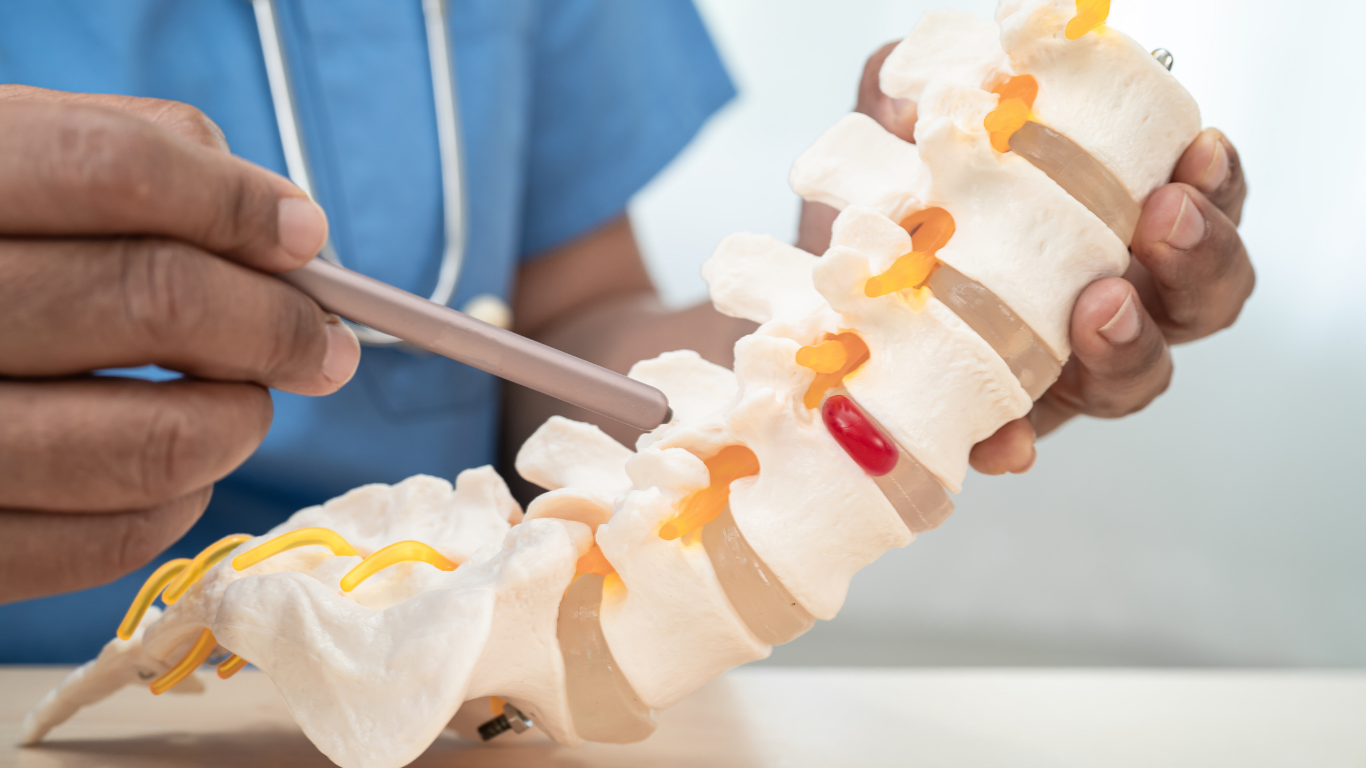
The procedure involves removing a damaged disc that is causing pain or neurological symptoms. After the disc is removed, the surgeon stabilizes the spine by fusing the adjacent vertebrae using a bone graft or implant. Over time, these vertebrae grow together into a single solid bone.
Why the Anterior Approach Matters
Accessing the spine from the front of the neck allows surgeons to reach the affected disc directly without disturbing the spinal cord. This approach typically results in less muscle disruption, reduced postoperative pain, and a faster recovery compared to posterior techniques.
Indications for ACDF Surgery
Common Conditions Treated
ACDF surgery is typically recommended when structural problems in the cervical spine compress nerves or the spinal cord. These conditions often include herniated discs, cervical degenerative disc disease, spinal stenosis, and bone spurs.
Patients may experience symptoms such as chronic neck pain, radiating arm pain, numbness, tingling, or weakness. When these symptoms do not respond to non surgical treatments, surgery may become the most effective option.
When Surgery Becomes Necessary
Surgery is usually considered after conservative treatments like medication, physical therapy, and injections have failed to provide relief. In more severe cases, such as progressive neurological deficits or spinal cord compression, ACDF may be recommended sooner to prevent permanent damage.
Step by Step Overview of the ACDF Procedure
Preoperative Preparation
Before surgery, patients undergo imaging studies such as MRI or CT scans to precisely identify the affected disc. The surgical team also evaluates overall health to ensure the patient is a good candidate for the procedure.
During the Surgery
The procedure begins with a small incision at the front of the neck. The surgeon carefully moves aside muscles, the trachea, and other structures to access the cervical spine. The damaged disc is then removed, relieving pressure on the nerves.
Once the disc is removed, a bone graft or synthetic spacer is inserted into the empty disc space. A small plate and screws may be used to stabilize the spine and promote fusion.
Fusion and Stabilization
Over the following months, the bone graft integrates with the surrounding vertebrae. This fusion process creates a stable segment of the spine, preventing further movement at that level and reducing pain.
Benefits of Anterior Cervical Discectomy and Fusion
Pain Relief and Symptom Improvement
One of the most significant advantages of ACDF is the rapid and meaningful reduction in pain. By directly removing the damaged disc or bone spur that is compressing the nerve, the procedure targets the root cause rather than just masking symptoms.
Patients often notice early relief from radiating arm pain, sometimes within days of surgery, which can feel life changing after months or even years of discomfort. Neck pain tends to improve more gradually, but the overall trend is consistent and progressive. In addition, symptoms such as tingling, numbness, and burning sensations in the arms frequently diminish as nerve function begins to recover.
For many individuals, this relief translates into better sleep, improved concentration, and a noticeable boost in daily comfort, all of which contribute to a higher quality of life.
Improved Function and Mobility
Although the fused segment of the spine no longer moves, the overall effect on mobility is often surprisingly positive. This is because pain and nerve irritation are major limiting factors in movement. Once these are relieved, patients can move more freely and confidently.
Daily activities such as driving, working on a computer, or lifting light objects become easier and less stressful. Many patients also report improved strength and coordination in their arms and hands, especially if they previously experienced nerve compression.
Over time, the surrounding segments of the spine adapt and compensate for the fused level, allowing for a functional range of motion that supports normal activity without significant limitations.
Long Term Stability
ACDF provides durable structural support to the cervical spine. By fusing the affected vertebrae, the procedure eliminates abnormal motion at that level, which is often a key source of pain and instability.
This added stability helps maintain proper spinal alignment and reduces mechanical stress on the affected area. As a result, the risk of recurring disc herniation at the same level is significantly lowered.
For patients with degenerative conditions, this stabilization can also slow the progression of spinal deterioration in the treated segment, offering long term protection and peace of mind.
High Success Rate
ACDF is widely recognized as a safe and highly effective procedure with a strong track record of success. Clinical outcomes consistently show high patient satisfaction, particularly in terms of pain relief and functional recovery.
Most patients are able to return to their normal routines, including work and recreational activities, within a reasonable recovery period. The predictability of results is one of the reasons why this surgery is often recommended when conservative treatments fail.
When performed by experienced specialists, such as the team referenced in your brief, the combination of surgical precision and personalized care further enhances outcomes, helping patients achieve lasting relief and regain control over their daily lives.
Recovery After ACDF Surgery
Immediate Postoperative Period
After surgery, patients are monitored closely as they recover from anesthesia. Some may go home the same day, while others stay overnight depending on the complexity of the procedure.
Mild discomfort, difficulty swallowing, and neck stiffness are common initially but typically improve within a few days.
Rehabilitation and Healing
Recovery involves gradual return to daily activities. Physical therapy may be recommended to strengthen the neck and improve flexibility. Most patients can resume light activities within a few weeks, while full recovery may take several months.
Long Term Outlook
As fusion progresses, patients experience increasing stability and symptom relief. Following medical guidance and maintaining a healthy lifestyle play a key role in long term success.
Risks and Considerations
Like any surgical procedure, ACDF carries some risks, including infection, bleeding, or complications related to anesthesia. There is also a small risk that fusion may not occur as expected.
However, when performed by experienced specialists, the procedure is generally safe and effective. Careful patient selection and proper postoperative care significantly reduce the likelihood of complications.
FAQ About Anterior Cervical Discectomy and Fusion
Is anterior cervical discectomy and fusion painful
Most patients report that the pain after surgery is manageable and significantly less severe than the pain experienced before the procedure. Discomfort typically improves within days to weeks.
How long does ACDF surgery take
The procedure usually takes one to three hours depending on the number of levels being treated.
When can I return to work after ACDF
Return to work depends on the nature of your job. Sedentary work may resume within a few weeks, while physically demanding jobs may require a longer recovery period.
Will I lose neck mobility after fusion
There may be a slight reduction in movement at the fused level, but most patients do not notice a major difference in overall neck mobility.
A Path Forward for Improve your Life
Choosing to undergo anterior cervical discectomy and fusion is not just a medical decision, it is a step toward reclaiming your daily life. Living with chronic pain can hold you back from the moments that matter most, but the right treatment can open the door to lasting relief.
Dr Navarro treated the patients with a commitment to precision, safety, and compassionate care. Their team understands that behind every diagnosis is a person looking for answers, reassurance, and a path forward.
If you are struggling with persistent neck pain or nerve symptoms, now is the time to explore your options. Reach out, ask questions, and take control of your health with confidence.
.webp)
