

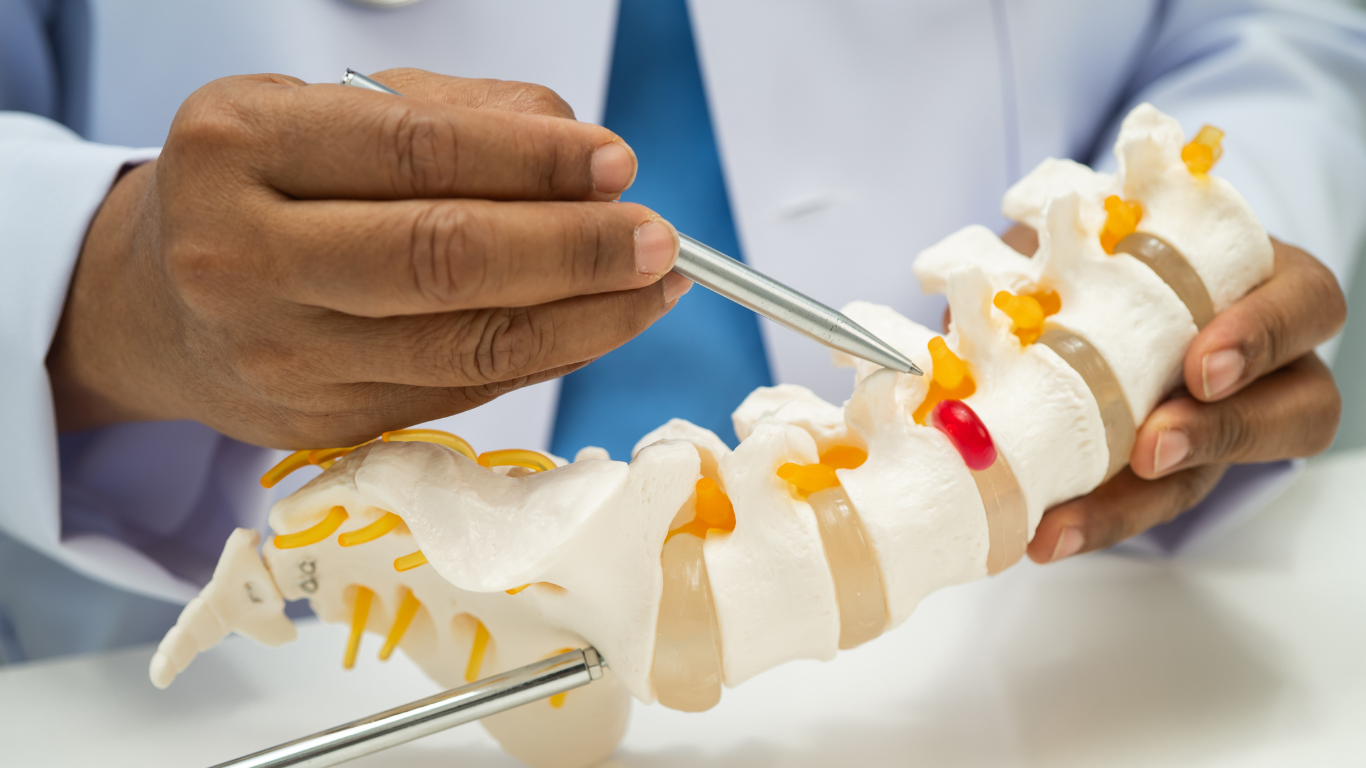
Hearing that you need lumbar spine surgery can bring a mix of emotions. Relief often comes from finally identifying the source of persistent back or leg pain, but it is also common to feel uncertain about what happens next. Knowing how to prepare for lumbar surgery can help reduce anxiety and give you confidence as your procedure approaches.
Preparation begins well before the day of surgery. Your physical health, medical history, home environment, and recovery plan all play an important role in achieving the best possible outcome. Taking the right steps before surgery can lower the risk of complications and support a smoother recovery.
Although every lumbar procedure is different, the preparation process follows many of the same principles. Understanding what to expect before, during, and after surgery allows you to participate actively in your care and approach recovery with realistic expectations.
At Dr. Navarro's practice, patients receive detailed preoperative guidance tailored to their specific condition and procedure. Every recommendation is designed to improve safety, promote healing, and help patients return to their daily activities with greater comfort and confidence.
Why Preparing for Lumbar Spine Surgery Matters
Proper preparation is one of the most important parts of a successful surgical outcome. While your surgeon performs the procedure, your overall health and readiness can significantly influence recovery.
Preparing for surgery allows your medical team to identify and manage conditions that could increase surgical risks. It also gives you time to understand your procedure, organize your home for recovery, and make lifestyle changes that support healing.
Patients who follow preoperative instructions carefully are often better prepared both physically and mentally for the recovery process.
Understanding Your Lumbar Spine Procedure
One of the first steps in learning how to prepare for lumbar surgery is understanding why surgery has been recommended.
Lumbar spine surgery is performed to treat conditions affecting the lower back that have not improved with conservative treatment. Depending on your diagnosis, the procedure may relieve pressure on spinal nerves, stabilize unstable vertebrae, repair damaged spinal structures, or correct spinal alignment.
Common lumbar procedures include lumbar decompression, microdiscectomy, laminectomy, spinal fusion, and minimally invasive spine surgery.
Your surgeon will explain the goals of your procedure, the expected benefits, potential risks, and what recovery will involve.
Attend Your Preoperative Evaluation
Several weeks before surgery, you will undergo a comprehensive preoperative assessment.
This evaluation confirms that you are medically prepared for anesthesia and surgery while identifying any conditions that require additional management.
Medical History Review
Your physician will review your complete medical history, including previous surgeries, chronic medical conditions, allergies, and current symptoms.
Providing accurate information helps your surgical team plan the safest possible procedure.
Physical Examination
A physical examination evaluates your overall health and documents neurological function before surgery.
Strength, sensation, reflexes, and walking ability are commonly assessed.
Imaging Studies
Recent imaging studies help confirm the diagnosis and guide surgical planning.
Depending on your condition, these may include X rays, MRI scans, CT scans, or additional diagnostic testing.
Laboratory Testing
Blood tests, urine testing, and other routine evaluations help identify issues that should be addressed before surgery.
Some patients may also require cardiac or pulmonary clearance depending on their medical history.
Review Your Medications
Your surgeon will carefully review every medication and supplement you take.
Certain medications increase the risk of bleeding during surgery and may need to be stopped several days beforehand.
Blood thinners, anti-inflammatory medications, and some herbal supplements commonly require temporary adjustment.
Never stop prescription medications without instructions from your healthcare provider.
If you take medication for diabetes, high blood pressure, or other chronic conditions, you will receive specific guidance regarding their use before surgery.
Stop Smoking Before Surgery
If you smoke, quitting before surgery is one of the most important steps you can take.
Smoking reduces blood flow, delays wound healing, increases the risk of infection, and significantly decreases the likelihood of successful bone healing after spinal fusion.
Many surgeons recommend stopping all nicotine products several weeks before surgery and continuing to avoid them throughout recovery.
Even a short period without smoking may improve surgical outcomes.
Maintain a Healthy Diet
Good nutrition supports healing before and after lumbar spine surgery.
Eating balanced meals that include lean protein, fruits, vegetables, whole grains, and healthy fats provides the nutrients needed for tissue repair.
Staying well hydrated is equally important unless your physician provides different instructions.
Patients who are overweight may also benefit from gradual weight management before surgery, as reducing excess body weight decreases stress on the lower back during recovery.
Stay Active When Possible
Remaining physically active before surgery often improves postoperative recovery.
Unless symptoms prevent movement, gentle walking and physician approved exercises help maintain muscle strength, circulation, and flexibility.
Some patients participate in physical therapy before surgery to strengthen the muscles supporting the spine and improve overall conditioning.
Avoid activities that significantly increase pain or worsen neurological symptoms.
Prepare Your Home for Recovery
- Creating a safe recovery environment before surgery makes the transition home much easier.
- Arrange frequently used items within easy reach to avoid unnecessary bending or twisting.
- Prepare comfortable seating with adequate back support and ensure clear walking paths throughout the home.
- If possible, organize meals in advance and ask a family member or friend to assist during the first several days after surgery.
- Planning transportation to follow up appointments is also important because driving may be restricted during early recovery.
Follow Instructions the Day Before Surgery
Your surgical team will provide detailed instructions regarding the day before your procedure.
Fasting
Most patients must stop eating and drinking after midnight before surgery or according to specific instructions from the anesthesia team.
Following fasting guidelines helps reduce complications during anesthesia.
Showering
You may be instructed to shower using a special antibacterial soap to reduce bacteria on the skin before surgery.
Avoid applying lotions, powders, or creams unless specifically approved.
Packing for the Hospital
Bring identification, insurance information, a list of medications, comfortable clothing, and any items recommended by your healthcare team.
Leave valuables and unnecessary personal belongings at home.
What Happens on the Day of Surgery?
Understanding what to expect helps reduce uncertainty.
After arriving at the hospital or surgical center, nurses will review your medical information, start an intravenous line, and prepare you for surgery.
You will meet with the anesthesia team and your surgeon to review the procedure and answer any remaining questions.
Once in the operating room, you will receive anesthesia before surgery begins.
Throughout the procedure, your heart rate, blood pressure, oxygen levels, and other vital signs are continuously monitored.
Preparing Mentally for Surgery
Emotional preparation is just as important as physical preparation.
Feeling nervous before surgery is completely normal.
Learning about your procedure, discussing concerns with your surgeon, and understanding the recovery process often reduce anxiety.
Maintaining realistic expectations is equally important. Recovery takes time, and improvements frequently occur gradually as healing progresses.
Having support from family and friends can make the recovery experience more comfortable and less stressful.
What to Expect After Lumbar Surgery
Recovery begins immediately after the procedure.
Many patients are encouraged to stand and walk within the first day, depending on the type of surgery performed.
Pain management, early mobility, and wound care all contribute to successful healing.
Your surgeon will provide detailed instructions regarding lifting restrictions, driving, returning to work, physical therapy, and follow up appointments.
Following these recommendations carefully helps protect the surgical repair while supporting long term recovery.
Common Mistakes to Avoid Before Lumbar Surgery
Knowing how to prepare for lumbar surgery also means avoiding common mistakes that may increase complications or delay recovery.
Failing to disclose medications, continuing to smoke, ignoring fasting instructions, or returning to strenuous activity too soon after surgery can negatively affect healing.
Patients should also avoid comparing their recovery with others. Every procedure and every patient is different, making individualized expectations essential.
Open communication with your surgical team remains the best way to address concerns throughout the preparation process.
Frequently Asked Questions
How far in advance should I prepare for lumbar spine surgery?
Preparation usually begins several weeks before surgery. This allows enough time for medical evaluations, medication adjustments, smoking cessation, and home preparation.
Can I exercise before lumbar spine surgery?
In many cases, yes. Gentle walking and physician approved exercises may improve conditioning before surgery. Always follow your surgeon's recommendations based on your diagnosis.
Should I stop taking all medications before surgery?
No. Some medications should be continued while others require temporary adjustment. Your healthcare team will provide individualized instructions based on your medical history.
How long does recovery take after lumbar spine surgery?
Recovery varies depending on the specific procedure and the patient's overall health. Many patients resume light daily activities within several weeks, while complete healing may require several months.
Prepare Today for a Better Recovery Tomorrow
Learning how to prepare for lumbar surgery is one of the most valuable steps you can take before your procedure. Careful planning, healthy lifestyle choices, and following your surgeon's instructions all contribute to a safer operation and a smoother recovery. By taking an active role in your care, you can approach surgery with greater confidence and give yourself the best opportunity for long term success.
If you are considering lumbar spine surgery or have questions about your treatment plan, Dr. Navarro can provide a comprehensive evaluation and guide you through every stage of the process. From your first consultation through recovery, personalized care and clear communication help ensure you are fully prepared for the journey ahead.
.webp)
