

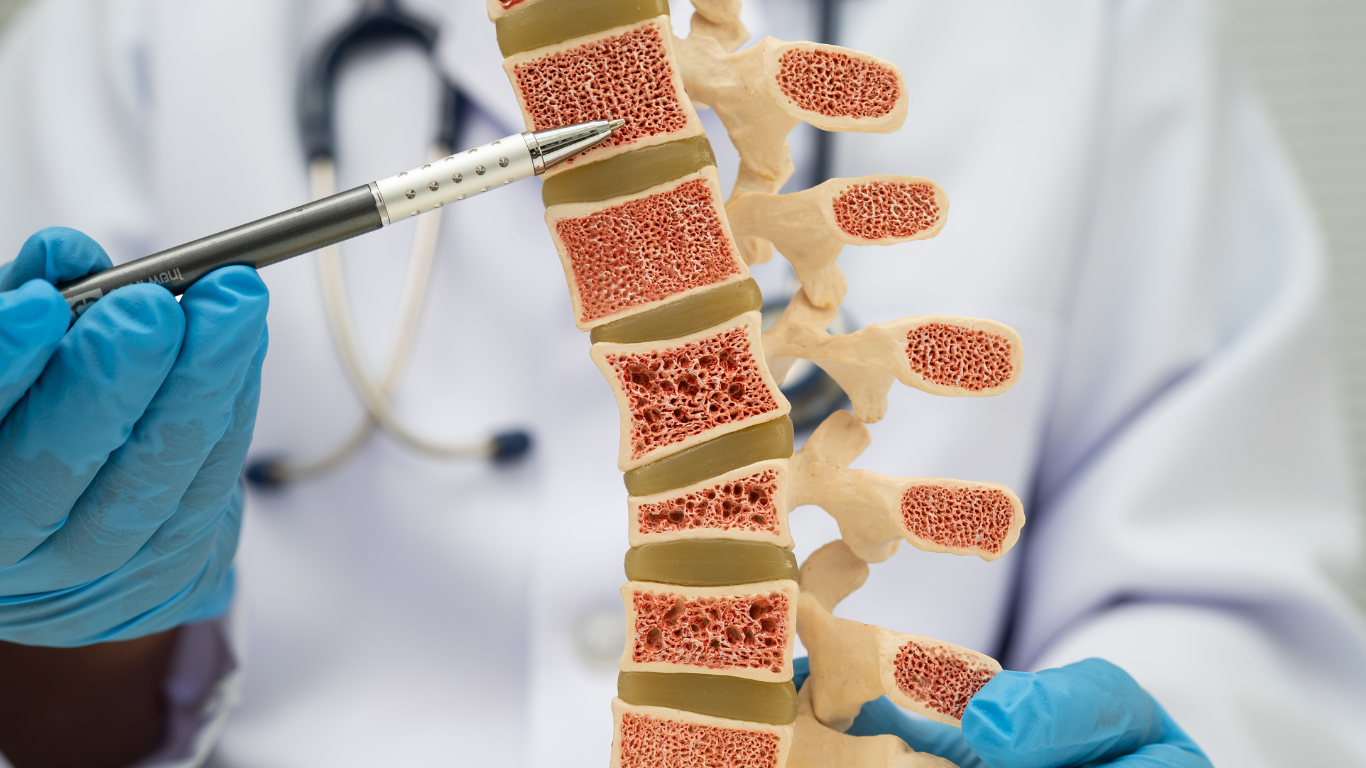
Learning that you may need spinal fusion surgery often raises an immediate question, is it safe? It is completely natural to have concerns about undergoing a procedure that involves your spine. Many patients worry about the risks, the recovery process, and whether surgery will truly improve their quality of life.
Spinal fusion has been performed for decades and continues to evolve through advances in surgical techniques, imaging technology, and patient care. Today, it is one of the most common procedures used to treat spinal instability, deformities, and conditions that cause chronic pain or nerve compression when conservative treatments are no longer effective.
Like every surgical procedure, spinal fusion carries potential risks. However, for carefully selected patients, the benefits often outweigh those risks. Understanding how the procedure works, who may benefit from it, and what influences its success can help you make informed decisions with confidence.
At Dr. Navarro's practice, every patient undergoes a thorough evaluation before surgery is recommended. The goal is to determine whether spinal fusion is the most appropriate treatment and to develop a personalized surgical plan that prioritizes safety, long term stability, and meaningful pain relief.
What Is Spinal Fusion Surgery?
Spinal fusion surgery is a procedure that permanently joins two or more vertebrae so they heal into a single solid bone. By eliminating movement between unstable spinal segments, fusion helps relieve pain caused by abnormal motion while improving the overall stability of the spine.
During surgery, the damaged spinal structures are treated according to the underlying condition. If nerves are compressed, the surgeon first performs a decompression procedure to create more space around the spinal cord or nerve roots. Bone graft material is then placed between the affected vertebrae, and specialized implants such as screws and rods hold the spine in the correct position while the fusion heals.
Over several months, new bone grows across the treated segment, creating a stable fusion.
When Is Spinal Fusion Recommended?
Spinal fusion is not considered the first treatment for most spinal conditions. Physicians typically recommend surgery only after conservative treatments have failed to provide sufficient relief or when spinal instability places nerves or the spinal cord at risk.
Common conditions treated with spinal fusion surgery include degenerative disc disease, spondylolisthesis, spinal instability, scoliosis, spinal fractures, recurrent disc herniations associated with instability, and certain spinal tumors or infections.
The decision to perform surgery depends on imaging findings, symptom severity, neurological function, and the patient's overall health and treatment goals.
Is Spinal Fusion Surgery Safe?
For most patients who are appropriate surgical candidates, spinal fusion surgery is considered a safe and well established procedure. Advances in surgical planning, anesthesia, intraoperative imaging, and postoperative care have significantly improved both safety and outcomes.
Modern surgical techniques allow surgeons to perform many procedures with greater precision while minimizing disruption to surrounding muscles and soft tissues. In many cases, minimally invasive approaches reduce blood loss, postoperative discomfort, and recovery time.
Patient safety also depends on careful preoperative evaluation. Factors such as age, bone quality, smoking status, diabetes, heart disease, and overall physical condition are assessed before surgery to minimize potential complications.
Choosing an experienced spine surgeon and following preoperative and postoperative instructions play important roles in achieving a successful outcome.
Understanding the Risks of Spinal Fusion Surgery
Although spinal fusion is generally safe, every surgical procedure carries some degree of risk.
Understanding these risks allows patients to make informed decisions while maintaining realistic expectations.
Infection
Infection is an uncommon but possible complication following surgery.
Preventive antibiotics, sterile surgical techniques, and careful wound care have significantly reduced infection rates. Most infections can be successfully treated when recognized early.
Bleeding
Some blood loss is expected during spinal surgery.
Depending on the complexity of the procedure, additional measures may be used to minimize bleeding, and blood transfusions are required only in selected cases.
Blood Clots
Reduced mobility after surgery slightly increases the risk of blood clots forming in the legs.
Early walking, compression devices, and, when appropriate, blood thinning medications help reduce this risk.
Nerve Injury
Because spinal fusion is performed near delicate nerves, there is a small risk of neurological injury.
Modern imaging technology, magnification, and specialized surgical instruments help surgeons protect neural structures throughout the procedure.
Permanent nerve injury is uncommon.
Failure of Bone Fusion
Successful surgery depends on the vertebrae healing into one solid bone.
In some cases, the fusion does not fully develop, a condition known as pseudarthrosis.
Smoking, poor bone quality, certain medical conditions, and failure to follow postoperative restrictions increase the risk of incomplete fusion.
Adjacent Segment Degeneration
After fusion, the spinal segments above and below the treated area continue moving normally.
Over many years, these levels may experience additional mechanical stress, potentially contributing to degeneration in some patients.
Not everyone develops adjacent segment disease, and many patients continue to do well long after surgery.
What Is the Success Rate of Spinal Fusion Surgery?
The overall success of spinal fusion surgery depends largely on the condition being treated, the patient's overall health, and the goals of surgery.
For carefully selected patients, spinal fusion has a high success rate, with fusion rates commonly exceeding 90 percent in many modern procedures. Clinical success, however, is measured by more than bone healing alone.
Successful outcomes often include reduced pain, improved neurological function, greater spinal stability, and the ability to return to work, exercise, and other daily activities.
Patients who participate actively in rehabilitation and follow postoperative recommendations generally experience the best long term results.
Factors That Influence Surgical Success
Several factors affect both healing and long term outcomes after spinal fusion.
Accurate Diagnosis
The most successful procedures begin with an accurate diagnosis.
Surgery should address the true source of pain rather than imaging findings alone.
Overall Health
Patients with good general health often recover more efficiently.
Medical conditions such as diabetes, osteoporosis, or cardiovascular disease may require additional planning before surgery.
Smoking
Smoking is one of the most significant risk factors for failed spinal fusion.
Nicotine interferes with bone healing, reduces blood flow, and substantially increases the likelihood of pseudarthrosis.
Many surgeons recommend complete smoking cessation before and after surgery.
Bone Quality
Healthy bone supports successful fusion and secure implant fixation.
Patients with osteoporosis may require additional evaluation or treatment before surgery.
Rehabilitation
Physical therapy and gradual return to activity strengthen the muscles supporting the spine while improving flexibility and endurance.
Following rehabilitation guidelines helps maximize surgical outcomes while protecting the healing fusion.
What Should Patients Expect During Recovery?
Recovery varies depending on the number of spinal levels treated, the surgical approach, and the patient's overall health.
Most patients begin walking within the first day after surgery to improve circulation and reduce the risk of complications.
During the first several weeks, activity focuses on gentle movement while avoiding heavy lifting, excessive bending, or twisting.
As healing progresses, physical therapy helps restore strength, mobility, and function.
Bone fusion develops gradually over several months. During this time, regular follow up appointments allow the surgeon to monitor healing through physical examination and imaging studies.
Although many patients notice early pain relief, complete recovery requires patience and careful adherence to postoperative instructions.
How Are Risks Reduced Before and During Surgery?
Patient safety begins long before entering the operating room.
A comprehensive evaluation identifies medical conditions that may increase surgical risk and allows physicians to optimize overall health before the procedure.
Advanced imaging helps surgeons precisely plan the operation and determine the most effective surgical approach.
During surgery, continuous monitoring, modern anesthesia techniques, sterile protocols, and specialized instrumentation all contribute to improving safety.
After surgery, early mobilization, pain management, wound care, and rehabilitation further reduce complications while promoting recovery.
Benefits of Spinal Fusion Surgery
For appropriate candidates, spinal fusion provides important long term benefits.
The procedure stabilizes unstable spinal segments, relieves pain caused by abnormal motion, protects compressed nerves, and helps prevent progressive spinal deformity.
Many patients experience meaningful improvements in walking, standing, sleeping, and performing daily activities that had become limited by chronic spinal pain.
Although recovery requires time and commitment, successful fusion often allows patients to enjoy lasting improvements in both function and quality of life.
Frequently Asked Questions
Is spinal fusion surgery considered major surgery?
Yes. Spinal fusion is a major orthopedic procedure that requires careful planning, specialized surgical expertise, and a structured recovery process. Despite this, it is performed safely every day for patients with appropriate indications.
What is the overall success rate of spinal fusion surgery?
Fusion rates commonly exceed 90 percent for many spinal conditions when patients are carefully selected and follow postoperative recommendations. Individual outcomes depend on the diagnosis, surgical technique, and overall health.
Can spinal fusion fail?
Yes. In some cases, the bones do not fully fuse or symptoms persist despite surgery. Factors such as smoking, poor bone quality, or untreated medical conditions increase the risk of complications.
How long does it take to fully recover after spinal fusion?
Initial recovery usually occurs during the first several weeks, while complete bone healing often takes between six and twelve months. Recovery varies depending on the procedure and each patient's individual healing process.
Learn Whether Spinal Fusion Is the Right Choice for You
Deciding whether to undergo spinal fusion surgery is an important step that should be based on a clear diagnosis, realistic expectations, and expert medical guidance. While every surgical procedure carries some risk, spinal fusion has become a safe and effective treatment for many patients with spinal instability, nerve compression, or chronic pain that has not improved with conservative care. Understanding the procedure, its potential benefits, and its limitations allows you to make confident decisions about your spinal health.
If persistent back or neck pain is limiting your daily life, Dr. Navarro can provide a comprehensive evaluation to determine whether spinal fusion or another treatment option is appropriate for your condition. A personalized treatment plan focused on safety, function, and long term results can help you move toward lasting relief with confidence.
.webp)
