

Neck pain that radiates into the shoulders or arms can make even the simplest daily activities difficult. When symptoms persist despite conservative treatment, surgery may become the most effective option to relieve nerve compression and restore function. For many patients, the decision is not whether surgery is necessary, but which procedure offers the greatest long term benefit.
Two of the most common operations for cervical spine conditions are cervical disk replacement and anterior cervical discectomy and fusion, commonly known as ACDF. Both procedures are designed to relieve pressure on the spinal nerves or spinal cord, but they accomplish this goal in different ways. Understanding these differences is essential when discussing treatment options with your spine surgeon.
Although both surgeries have excellent success rates in appropriately selected patients, no single procedure is right for everyone. Factors such as age, the condition of the affected disc, spinal stability, arthritis, and overall health all influence the most appropriate treatment plan.
At Dr. Navarro's practice, every patient undergoes a comprehensive evaluation before surgery is recommended. By carefully assessing the underlying spinal condition and each patient's goals, Dr. Navarro develops personalized treatment plans that prioritize pain relief, neurological recovery, and long term spinal health.
Understanding Cervical Disc Disease
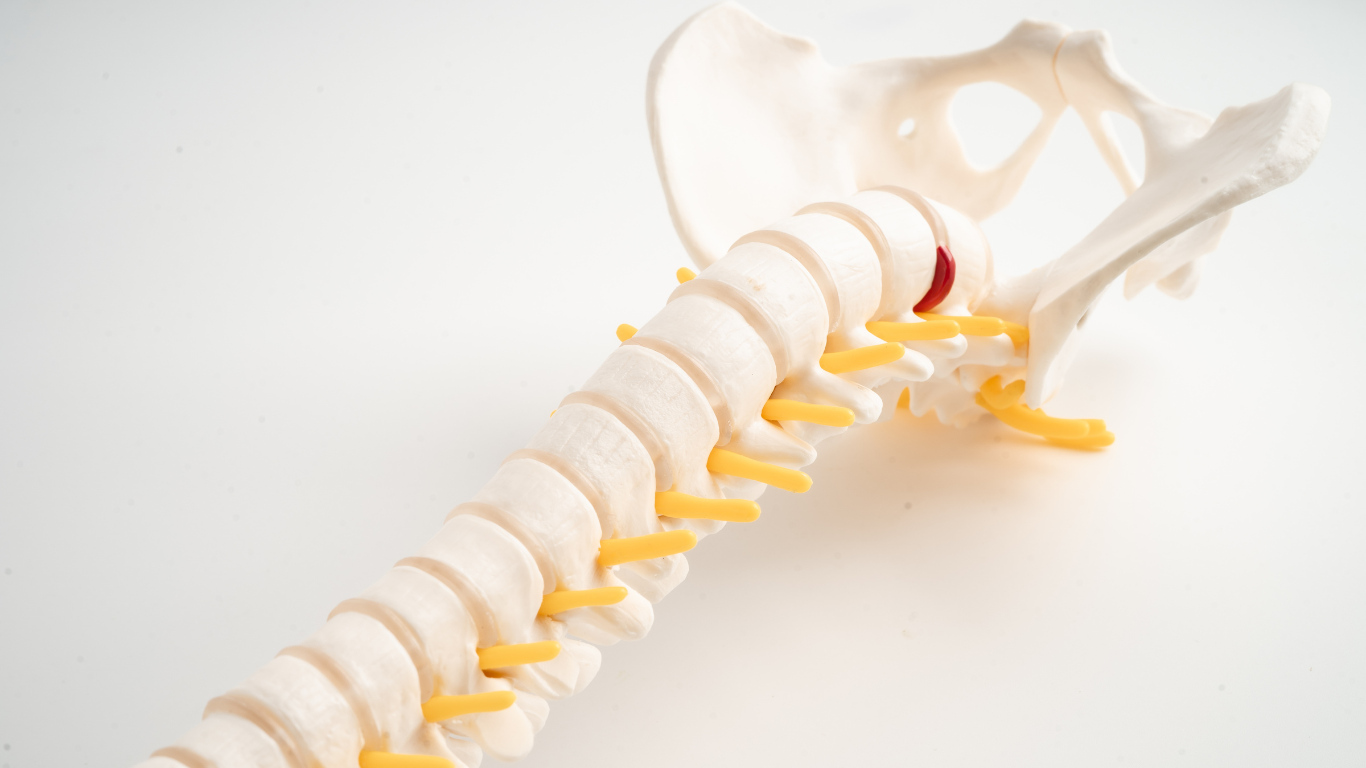
The cervical spine consists of seven vertebrae separated by intervertebral discs that act as cushions between the bones. These discs absorb shock while allowing the neck to bend, rotate, and move comfortably.
Over time, age related degeneration, disc herniation, injury, or arthritis may damage one or more cervical discs. As the disc deteriorates, it can compress nearby spinal nerves or the spinal cord, producing symptoms such as neck pain, arm pain, numbness, tingling, muscle weakness, or difficulty with balance.
When conservative treatments no longer provide sufficient relief, surgery may be recommended to remove the damaged disc and relieve pressure on the nervous system.
What Is Cervical Disk Replacement?
Cervical disk replacement, also known as cervical disc arthroplasty, is a motion preserving procedure that removes a damaged cervical disc and replaces it with an artificial disc designed to maintain movement between the vertebrae.
After removing the diseased disc and decompressing the spinal nerves, the surgeon implants a prosthetic disc that allows the treated spinal segment to continue moving in a manner similar to a healthy disc.
The primary goal is to relieve nerve compression while preserving the natural biomechanics of the cervical spine.
What Is ACDF?
Anterior cervical discectomy and fusion, or ACDF, is one of the most commonly performed cervical spine procedures.
Like cervical disc replacement, ACDF begins by removing the damaged disc and decompressing the spinal cord or nerve roots.
Instead of inserting an artificial disc, the surgeon places a bone graft or spacer into the disc space and stabilizes the vertebrae with a small plate and screws. Over time, the two vertebrae heal together, creating one solid bone.
The fused segment no longer moves, but the procedure provides excellent spinal stability while effectively relieving nerve compression.
Similarities Between Cervical Disk Replacement and ACDF
Although these procedures differ in important ways, they share several common goals.
Both surgeries remove the damaged disc responsible for symptoms.
Both relieve pressure on compressed nerves or the spinal cord.
Both are performed through a small incision in the front of the neck.
Both have high success rates when performed for appropriate conditions.
Most importantly, both procedures are designed to reduce pain, improve neurological function, and restore quality of life.
The Key Differences Between Cervical Disk Replacement and ACDF
While the initial steps of both procedures are similar, the long term effects on spinal motion and biomechanics differ significantly.
Motion Preservation
The defining advantage of cervical disk replacement is that it preserves movement at the treated spinal level.
Because the artificial disc continues to move, patients maintain a greater range of neck motion compared with spinal fusion.
ACDF permanently eliminates movement at the operated level by allowing the vertebrae to fuse together.
Although most patients experience little noticeable limitation after a single level fusion, motion preservation remains one of the primary reasons surgeons consider cervical disc replacement in appropriate candidates.
Spinal Stability
Fusion creates excellent long term stability because the treated vertebrae become one solid bone.
Artificial discs preserve movement while maintaining stability through advanced implant design.
The appropriate choice depends on whether the patient's spine already demonstrates instability before surgery.
Stress on Adjacent Levels
One potential advantage of cervical disc replacement is reduced stress on the spinal segments above and below the treated level.
Because movement is preserved, the surrounding discs may experience more natural biomechanics.
Following ACDF, adjacent segments continue to move normally but may gradually experience increased mechanical stress over many years.
Although adjacent segment degeneration can occur after either procedure, some studies suggest it may develop less frequently following cervical disc replacement in appropriately selected patients.
Recovery
Recovery varies depending on the individual patient and the complexity of surgery.
Many patients undergoing cervical disk replacement resume normal neck motion relatively quickly because fusion is not required.
Patients recovering from ACDF must allow sufficient time for bone healing, which generally continues for several months.
Both procedures require temporary activity restrictions and regular follow up appointments during recovery.
Who Is a Candidate for Cervical Disk Replacement?
Not every patient qualifies for cervical disc replacement.
The procedure is generally most appropriate for patients with one or two damaged cervical discs causing nerve compression while maintaining relatively healthy facet joints and normal spinal alignment.
Ideal candidates typically have minimal cervical instability and no advanced arthritis affecting the treated level.
Younger, active patients often benefit most from motion preserving surgery, although age alone does not determine candidacy.
Who Is a Better Candidate for ACDF?
ACDF remains the preferred treatment for many cervical spine conditions.
Fusion may be recommended for patients with significant spinal instability, advanced arthritis, deformity, osteoporosis, multiple levels requiring treatment, or conditions that cannot be safely managed with an artificial disc.
Patients with previous cervical surgery or certain anatomical variations may also achieve better outcomes with fusion.
The decision is based on the specific spinal pathology rather than personal preference alone.
Risks of Cervical Disk Replacement
Like every surgical procedure, cervical disc replacement carries potential risks.
Possible complications include infection, bleeding, nerve injury, implant movement, persistent symptoms, swallowing difficulty, or the need for future surgery.
Fortunately, serious complications are uncommon when the procedure is performed by an experienced spine surgeon.
Risks of ACDF
The risks associated with ACDF are similar.
Potential complications include infection, bleeding, nerve injury, difficulty swallowing, hoarseness, failure of bone fusion, hardware related problems, and adjacent segment degeneration over time.
Most patients recover without major complications and experience significant improvement in pain and neurological symptoms.
Success Rates of Both Procedures
Both cervical disk replacement and ACDF demonstrate excellent clinical outcomes for carefully selected patients.
Studies consistently show high rates of pain relief, neurological recovery, and patient satisfaction following either procedure.
The success of surgery depends less on choosing one procedure over the other and more on selecting the operation that best matches the patient's anatomy and spinal condition.
An accurate diagnosis and careful surgical planning remain the most important predictors of long term success.
How Surgeons Choose the Best Procedure
Selecting between cervical disc replacement and ACDF involves evaluating several factors.
Your surgeon considers the number of affected spinal levels, spinal stability, degree of arthritis, bone quality, spinal alignment, neurological findings, imaging studies, overall health, and activity level.
No two patients have identical spinal conditions.
For this reason, individualized treatment planning is essential to achieving the best possible outcome.
Frequently Asked Questions
Is cervical disk replacement better than ACDF?
Neither procedure is universally better. The best option depends on the patient's spinal condition, anatomy, and treatment goals. Both procedures provide excellent outcomes when appropriately selected.
Does cervical disk replacement preserve neck movement?
Yes. One of the primary advantages of cervical disk replacement is preserving motion at the treated spinal level while relieving nerve compression.
Is recovery faster after cervical disk replacement?
Many patients regain neck mobility sooner because bone fusion is not required. However, recovery varies based on the individual patient and the complexity of surgery.
Can an artificial cervical disc wear out?
Modern artificial discs are designed for long term durability. While implants can experience wear over time, they are engineered to withstand normal cervical spine movement for many years.
Find the Right Surgical Option for Your Neck Pain
Choosing between cervical disk replacement and ACDF is an important decision that should be based on a careful evaluation of your spinal condition rather than a one size fits all approach. Both procedures are highly effective for relieving nerve compression and improving quality of life, but the best option depends on factors such as spinal stability, disc degeneration, overall health, and your long term treatment goals. Understanding the differences allows you to have more informed conversations with your spine surgeon and feel confident about your care.
If neck pain, arm pain, numbness, or weakness continues to interfere with your daily life, Dr. Navarro can provide a comprehensive evaluation to determine which surgical approach is most appropriate for your condition. With personalized treatment planning and advanced spine care, you can take the next step toward lasting pain relief and improved function.
.webp)
