

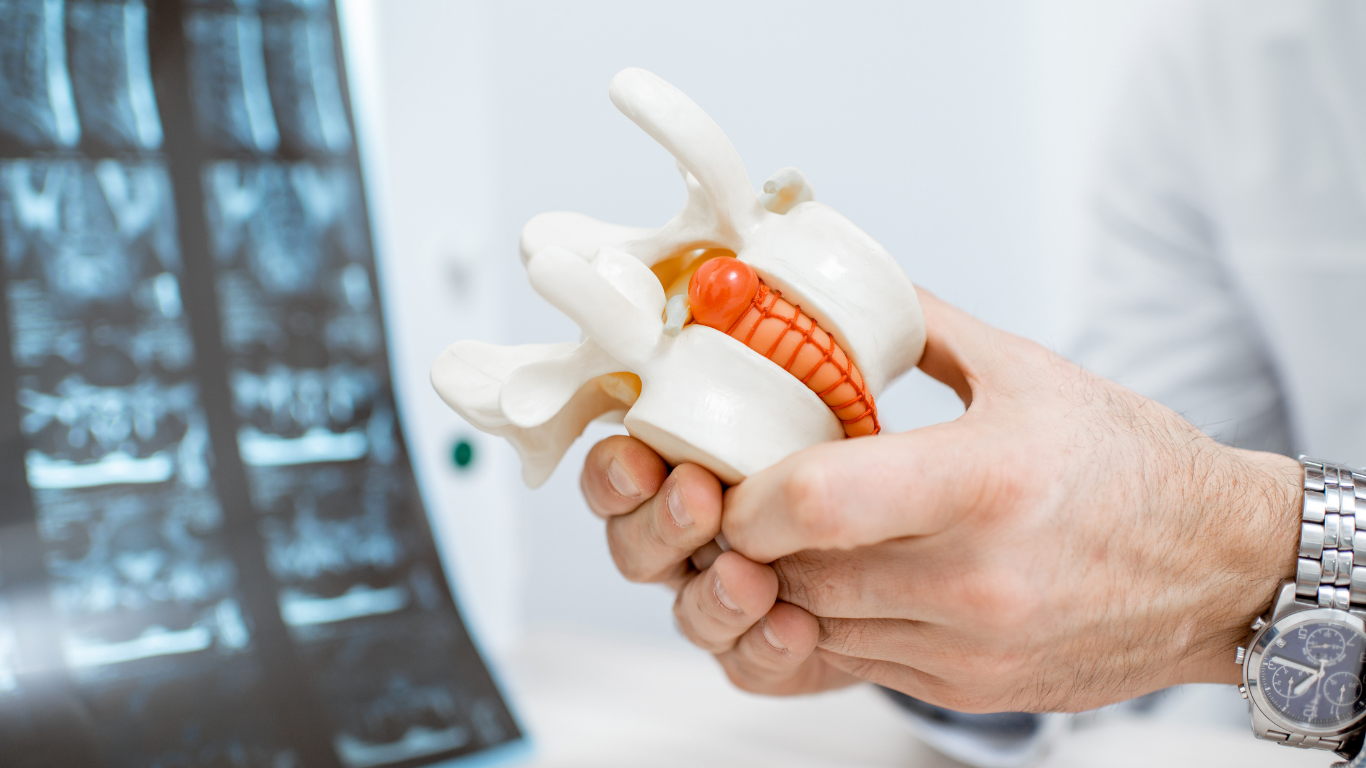
Living with persistent back pain can feel like carrying an invisible weight that never lifts. Every movement becomes a reminder, every step a challenge. For many, the search for relief leads down a long road of treatments, therapies, and unanswered questions. When pain begins to interfere with daily life, understanding surgical options becomes not just important, but empowering.
One of the most commonly recommended procedures for spinal pressure relief is a laminectomy. While the term may sound intimidating, gaining clarity about what it involves can transform fear into confidence. Knowing what to expect is often the first step toward reclaiming control over your health.
At the forefront of patient-centered spinal care, Dr. Navarro emphasizes the importance of education before any procedure. Patients deserve to understand not only what is a laminectomy, but also why it might be the right solution for their specific condition.
If you or someone you love is facing chronic spinal discomfort, this guide will walk you through the procedure, its purpose, and what recovery truly looks like, so you can move forward informed, prepared, and hopeful.
What Is a Laminectomy?
A laminectomy is a surgical procedure designed to relieve pressure on the spinal cord or nerves. This pressure is often caused by conditions such as spinal stenosis, herniated discs, or bone overgrowth.
The procedure involves removing a portion of the vertebra called the lamina, which is the back part of the bone that covers the spinal canal. By removing this structure, surgeons create more space within the spinal canal, reducing nerve compression and alleviating pain.
Understanding what is a laminectomy begins with recognizing its primary goal: to decompress the spine and restore normal nerve function. It is not typically the first line of treatment, but rather an option when conservative approaches fail to provide relief.
Why Is a Laminectomy Performed?
Conditions That May Require a Laminectomy
A laminectomy is usually recommended when nerve compression leads to significant symptoms that interfere with quality of life. These symptoms often include chronic pain, numbness, weakness, or difficulty walking.
One of the most common reasons for the procedure is spinal stenosis, a condition where the spinal canal narrows and compresses the nerves. Other conditions include herniated discs, bone spurs, and certain spinal tumors.
When Conservative Treatments Are Not Enough
Before considering surgery, most patients try non-invasive treatments such as physical therapy, medications, or injections. However, when these methods fail to provide lasting relief, surgery may become necessary.
According to Dr. Navarro, the decision to proceed with a laminectomy is based on both clinical findings and the patient’s overall quality of life. If pain is limiting mobility, sleep, or daily function, surgical intervention may offer meaningful improvement.
How the Laminectomy Procedure Works
Preoperative Preparation
Before surgery, patients undergo imaging tests such as MRI or CT scans to pinpoint the exact location of nerve compression. These images guide the surgical plan and ensure precision.
Patients are also evaluated for overall health to minimize risks during the procedure. Clear communication between the patient and surgical team is essential at this stage.
Step-by-Step Surgical Process
The procedure is typically performed under general anesthesia. The surgeon makes a small incision in the back over the affected vertebrae.
Muscles are gently moved aside to access the spine. The lamina is then carefully removed, along with any structures contributing to nerve compression, such as bone spurs or disc fragments.
In some cases, a spinal fusion may be performed simultaneously to stabilize the spine. Once the decompression is complete, the incision is closed, and the patient is moved to recovery.
Duration of the Surgery
A laminectomy usually takes between one to three hours, depending on the complexity and number of vertebrae involved. Most patients can return home within a day or two, although some may require a longer hospital stay.
Benefits of a Laminectomy
One of the primary benefits of a laminectomy is pain relief. By reducing pressure on the nerves, many patients experience significant improvement in symptoms.
Another key advantage is improved mobility. Activities that were once difficult, such as walking, bending, or standing, often become more manageable after recovery.
Patients also report better sleep and an overall enhanced quality of life. For many, the procedure represents a turning point in their journey toward long-term spinal health.
Risks and Potential Complications
Like any surgical procedure, a laminectomy carries certain risks. These may include infection, bleeding, blood clots, or reactions to anesthesia.
There is also a possibility of nerve injury, although this is rare when performed by experienced specialists like Dr. Navarro. Some patients may experience persistent symptoms or require additional surgery in the future.
Understanding these risks is essential when evaluating what is a laminectomy and whether it aligns with your treatment goals.
Recovery After a Laminectomy
Immediate Postoperative Phase
After surgery, patients are closely monitored as the anesthesia wears off. Pain management is a priority during this stage, and medications are provided to ensure comfort.
Most patients are encouraged to begin walking within a day, as movement helps prevent complications and supports healing.
Rehabilitation and Physical Therapy
Physical therapy plays a crucial role in recovery. Guided exercises help strengthen the back muscles, improve flexibility, and restore function.
Recovery timelines vary, but many patients return to light activities within a few weeks. Full recovery may take several months, depending on individual factors.
Long-Term Outlook
The long-term success of a laminectomy depends on several factors, including the underlying condition and adherence to rehabilitation.
Patients who follow postoperative guidelines and maintain a healthy lifestyle often experience lasting relief and improved spinal function.
Who Is a Good Candidate for a Laminectomy?
Not everyone with back pain is a candidate for this procedure. Ideal candidates are those with confirmed nerve compression that correlates with their symptoms.
Age, overall health, and the severity of the condition also play a role in determining suitability. A thorough evaluation by a qualified specialist ensures the best possible outcome.
Dr. Navarro carefully assesses each patient to determine whether a laminectomy is the most effective option or if alternative treatments should be considered.
Alternatives to a Laminectomy
In some cases, less invasive procedures may be appropriate. These can include microdiscectomy, laminotomy, or non-surgical approaches such as physical therapy and injections.
The choice of treatment depends on the specific diagnosis and patient preferences. Exploring all options is essential before making a decision.
Understanding alternatives helps patients make informed choices about their care and ensures that surgery is only pursued when truly necessary.
FAQ Section
What is a laminectomy and how does it relieve pain?
A laminectomy is a surgical procedure that removes part of the vertebra to relieve pressure on the spinal cord or nerves. By creating more space in the spinal canal, it reduces pain, numbness, and weakness caused by nerve compression.
How long does it take to recover from a laminectomy?
Recovery times vary, but most patients return to light activities within a few weeks. Full recovery can take several months, depending on the extent of the surgery and adherence to rehabilitation.
Is a laminectomy considered a major surgery?
Yes, a laminectomy is considered a major surgical procedure. However, it is commonly performed and generally safe when done by experienced professionals.
Will I need physical therapy after a laminectomy?
In most cases, physical therapy is recommended to support recovery. It helps strengthen the spine, improve mobility, and reduce the risk of future issues.
Are the results of a laminectomy permanent?
Many patients experience long-lasting relief, but results can vary. Maintaining a healthy lifestyle and following medical advice can help sustain the benefits of the procedure.
Trusted Experts Makes All The Difference
Choosing to undergo spinal surgery is never an easy decision. It comes with questions, concerns, and a deep desire for lasting relief. Understanding what a laminectomy is is not just about learning a medical definition, it’s about gaining clarity, confidence, and control over your health journey.
With the guidance of Dr. Navarro, patients are not just treated—they are supported, informed, and empowered every step of the way. From diagnosis to recovery, having a trusted expert makes all the difference in achieving meaningful results.
If chronic back pain is holding you back from living fully, now is the time to explore your options. Schedule a consultation with Dr. Navarro and take the first step toward a life with less pain and more possibility.
Your path to relief starts with understanding—and the right care can change everything.
.webp)
