

When back pain becomes part of everyday life, even the simplest moments can feel overwhelming. Walking, standing, exercising, or even enjoying time with loved ones may become increasingly difficult. Many people ignore persistent discomfort, hoping it will disappear, only to discover that the underlying problem has gradually become more serious.
If you have been searching for what is spondylolisthesis, you are likely looking for answers that explain not only the condition itself but also what can be done to relieve pain and restore your quality of life. Understanding the cause of your symptoms is the first step toward finding the right treatment and preventing long term complications.
Living with uncertainty can be frustrating. You may wonder whether surgery is necessary, if physical therapy will help, or if your condition will continue to worsen over time. The good news is that modern medicine offers a wide range of effective treatments, many of which can successfully reduce symptoms and improve mobility.
At Dr Navarro, every patient receives compassionate, personalized care designed to identify the source of pain and recommend the most appropriate treatment plan. Whether your symptoms are mild or severe, early diagnosis and expert guidance can help you return to the activities you enjoy.
What Is Spondylolisthesis?
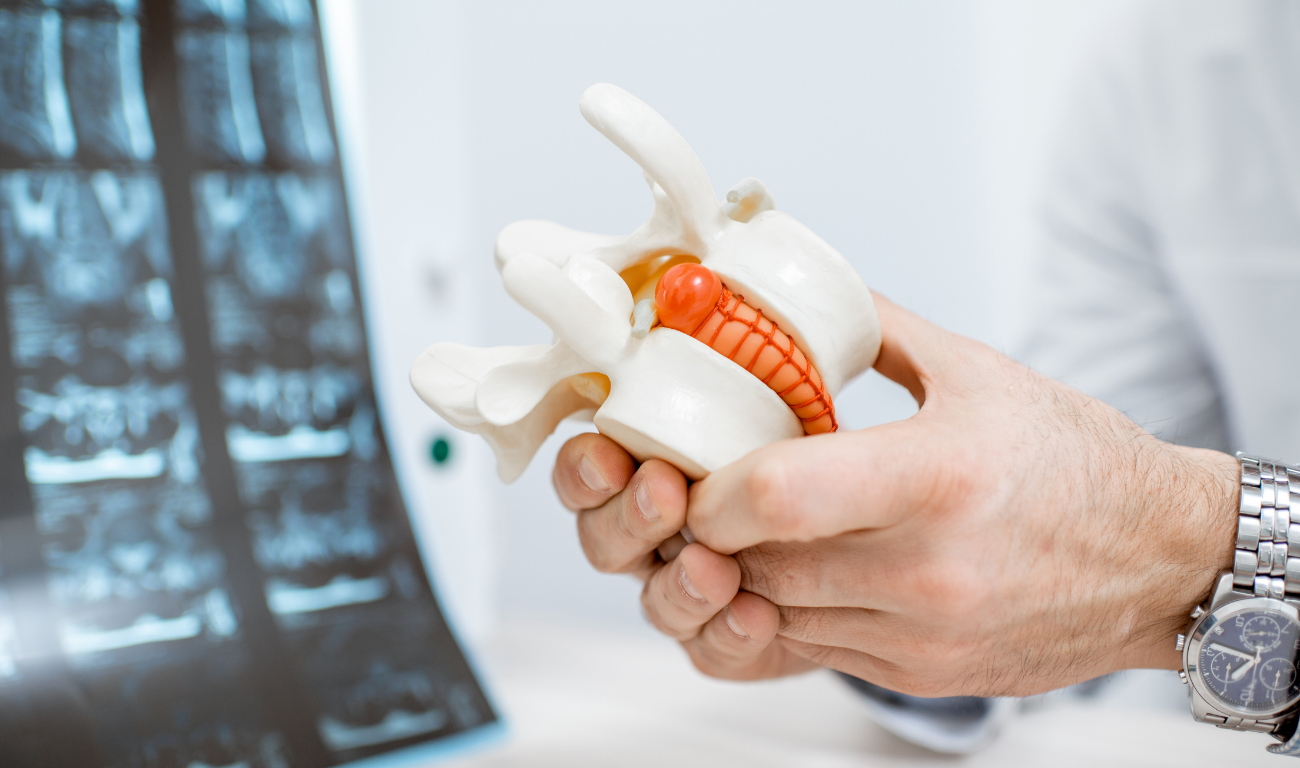
What is spondylolisthesis? Spondylolisthesis is a spinal condition that occurs when one vertebra slips forward over the vertebra beneath it. This movement disrupts the normal alignment of the spine and may place pressure on nearby nerves, leading to pain, stiffness, numbness, or weakness.
The condition most commonly affects the lower back, particularly the lumbar spine. Although some people experience few or no symptoms, others develop chronic pain that interferes with daily activities and overall mobility.
The severity of spondylolisthesis varies depending on the amount of vertebral slippage and whether nerves become compressed. Mild cases often respond well to conservative treatment, while more advanced cases may require surgical intervention.
Understanding what is spondylolisthesis helps patients recognize symptoms early and seek treatment before the condition progresses.
How the Spine Normally Functions
The spine consists of individual vertebrae stacked one above another, separated by discs that act as cushions. Strong muscles, ligaments, and joints stabilize these bones while allowing flexibility and movement.
When one vertebra slips forward, this natural balance is disrupted. The abnormal movement changes the mechanics of the spine, increasing stress on muscles, joints, discs, and nerves.
Over time, this instability can lead to inflammation, chronic pain, reduced flexibility, and nerve irritation.
Types of Spondylolisthesis
Several forms of spondylolisthesis exist, each with different underlying causes.
Degenerative Spondylolisthesis
This is the most common form in adults over the age of fifty. It develops as natural aging causes spinal discs and joints to wear down, reducing stability.
Isthmic Spondylolisthesis
This type occurs because of a small fracture or defect in part of the vertebra called the pars interarticularis. It often develops in adolescents or athletes who repeatedly stress the lower back.
Congenital Spondylolisthesis
Some individuals are born with abnormalities in spinal development that increase the risk of vertebral slippage later in life.
Traumatic Spondylolisthesis
Serious spinal injuries caused by accidents or falls may damage vertebrae and create instability.
Pathological Spondylolisthesis
Certain diseases, including tumors, infections, or osteoporosis, may weaken spinal bones enough to allow one vertebra to slip.
What Causes Spondylolisthesis?
Several factors contribute to the development of this condition.
Natural aging gradually weakens discs, joints, and supporting ligaments, making spinal instability more likely.
Repetitive stress from sports such as gymnastics, football, wrestling, or weightlifting increases strain on the lower back.
Genetics may influence spinal anatomy, making some people naturally more susceptible.
Spinal injuries can damage vertebrae or surrounding structures, resulting in instability.
Bone diseases weaken the spine and increase the likelihood of vertebral displacement.
Understanding the cause helps physicians recommend the most effective treatment.
Symptoms of Spondylolisthesis
Symptoms vary depending on the severity of the slippage and nerve involvement.
Many patients experience persistent lower back pain that worsens with standing or walking.
Muscle tightness, particularly in the hamstrings, is another common complaint.
Pain may radiate into the buttocks or legs when spinal nerves become compressed.
Some individuals develop numbness, tingling, or weakness in one or both legs.
In more advanced cases, walking long distances becomes difficult because of nerve compression.
Occasionally, patients notice changes in posture or an exaggerated curve in the lower back.
How Is Spondylolisthesis Diagnosed?
An accurate diagnosis begins with a thorough medical history and physical examination.
During the evaluation, your physician assesses posture, spinal alignment, flexibility, muscle strength, and nerve function.
Imaging studies provide confirmation of the diagnosis.
X rays reveal vertebral alignment and determine the degree of slippage.
Magnetic resonance imaging, MRI, provides detailed images of nerves, discs, and surrounding soft tissues.
Computed tomography, CT scans, offer highly detailed views of bone anatomy when additional information is needed.
Early diagnosis allows treatment to begin before significant nerve damage develops.
Grades of Spondylolisthesis
Doctors classify spondylolisthesis according to the percentage of vertebral slippage.
- Grade one involves less than twenty five percent slippage.
- Grade two ranges from twenty five to fifty percent.
- Grade three includes fifty to seventy five percent displacement.
- Grade four exceeds seventy five percent.
Higher grades often produce greater instability and are more likely to require surgery.
Non Surgical Treatment Options
Many patients improve without surgery.
Physical Therapy
A structured rehabilitation program strengthens the core muscles that stabilize the spine.
Exercises improve flexibility, posture, and spinal support while reducing pain.
Activity Modification
Temporary avoidance of activities that aggravate symptoms allows inflamed tissues to heal.
Gradually returning to normal movement helps restore function safely.
Medications
Anti inflammatory medications may reduce swelling and relieve discomfort.
Muscle relaxants are sometimes prescribed for painful muscle spasms.
Bracing
In selected patients, especially adolescents, a spinal brace may help stabilize the affected area while healing occurs.
Epidural Steroid Injections
For patients experiencing nerve irritation, corticosteroid injections may significantly reduce inflammation and improve mobility.
When Is Surgery Necessary?
Surgery is typically recommended when conservative treatments fail to relieve symptoms or when neurological problems continue to worsen.
Persistent severe pain, progressive weakness, difficulty walking, or significant spinal instability may require surgical correction.
The goal of surgery is to stabilize the spine, decompress affected nerves, and restore normal alignment.
Surgical Treatment for Spondylolisthesis
Several surgical procedures may be performed depending on the patient's condition.
Spinal Fusion
This is the most common procedure. Two or more vertebrae are permanently joined together using bone grafts and specialized hardware to eliminate abnormal movement.
Decompression Surgery
If nerves are compressed, portions of bone or thickened tissue may be removed to relieve pressure.
Combined Procedures
Many patients benefit from decompression combined with spinal fusion, providing both nerve relief and long term stability.
Modern surgical techniques often use minimally invasive approaches, resulting in smaller incisions, reduced pain, and faster recovery.
Recovery After Treatment
Recovery depends on the severity of the condition and the chosen treatment.
Patients treated conservatively often notice gradual improvement within several weeks or months.
Following surgery, rehabilitation focuses on restoring flexibility, strength, and safe movement.
Most individuals return to normal activities gradually under medical supervision.
Following your physician's instructions significantly improves recovery outcomes.
Can Spondylolisthesis Be Prevented?
Although not every case can be prevented, healthy habits reduce the risk.
- Maintaining a healthy body weight reduces stress on the lower back.
- Regular exercise strengthens muscles that support the spine.
- Using proper lifting techniques helps prevent spinal injury.
- Athletes benefit from conditioning programs that improve flexibility and core stability.
Seeking prompt evaluation for persistent back pain allows early intervention before symptoms worsen.
When Should You See a Specialist?
You should schedule an evaluation if lower back pain persists for several weeks, interferes with daily activities, or radiates into the legs.
Numbness, muscle weakness, difficulty walking, or changes in bladder or bowel function require immediate medical attention.
Early treatment often prevents progression and helps preserve long term spinal health.
Frequently Asked Questions
What is spondylolisthesis and is it serious?
Spondylolisthesis occurs when one vertebra slips forward over another. Mild cases may cause few symptoms, while more advanced cases can produce chronic pain, nerve compression, and reduced mobility. Early diagnosis helps prevent complications.
Can spondylolisthesis heal without surgery?
Many patients successfully manage symptoms through physical therapy, medications, activity modification, and lifestyle changes. Surgery is usually reserved for severe or progressive cases.
What are the first symptoms of spondylolisthesis?
Early symptoms often include lower back pain, stiffness, tight hamstrings, and discomfort that worsens with standing or walking. Some people also experience pain radiating into the legs.
Can I exercise if I have spondylolisthesis?
Yes. Appropriate exercise is often an important part of treatment. A physical therapist can recommend safe exercises that strengthen the core while protecting the spine.
Is spondylolisthesis permanent?
The vertebral slippage itself usually does not reverse naturally. However, many patients achieve excellent symptom control through conservative treatment or surgery, allowing them to live active, healthy lives.
Recognize Early Symptoms Under Expert Guidance
Living with ongoing back pain does not have to become your new normal. Understanding what is spondylolisthesis empowers you to recognize symptoms early and seek the care needed to protect your spinal health. With timely diagnosis and personalized treatment, many patients experience significant pain relief, improved mobility, and a better quality of life.
At Dr Navarro, every treatment plan is designed around your unique condition, goals, and lifestyle. Whether you need conservative care, advanced imaging, rehabilitation, or surgical expertise, you can feel confident knowing you are receiving compassionate, patient centered care. Contact Dr Navarro today and take the first step toward a stronger, healthier spine and a future with less pain.
.webp)
